Spa and Wellness Trends: 2024 Strategic Business Guide
Spa and Wellness Trends: A Guide to Sustainable Profitability
The wellness industry is undergoing an unprecedented transformation. According to the Global Wellness Institute, the global wellness economy is projected to reach $7 trillion by 2025. This growth is not just quantitative; it is qualitative. Today, clients are no longer just looking for a treatment, but for a holistic experience integrating mental health, technology, and extreme personalization. For spa managers, the challenge is to turn these trends into concrete profitability levers.
1. The Rise of Holistic and Therapeutic Wellness
The line between traditional spas and preventive health clinics is becoming increasingly blurred. Consumers now perceive wellness as an investment in their health capital rather than an occasional luxury.
Mental Health at the Core of Care
Anxiety and chronic stress have become the maladies of the century. There is a growing demand for protocols including guided meditation, breathwork, and sound therapy. Integrating sophrology sessions or sleep rituals can increase the average basket by 20%.
Biohacking and Optimized Recovery
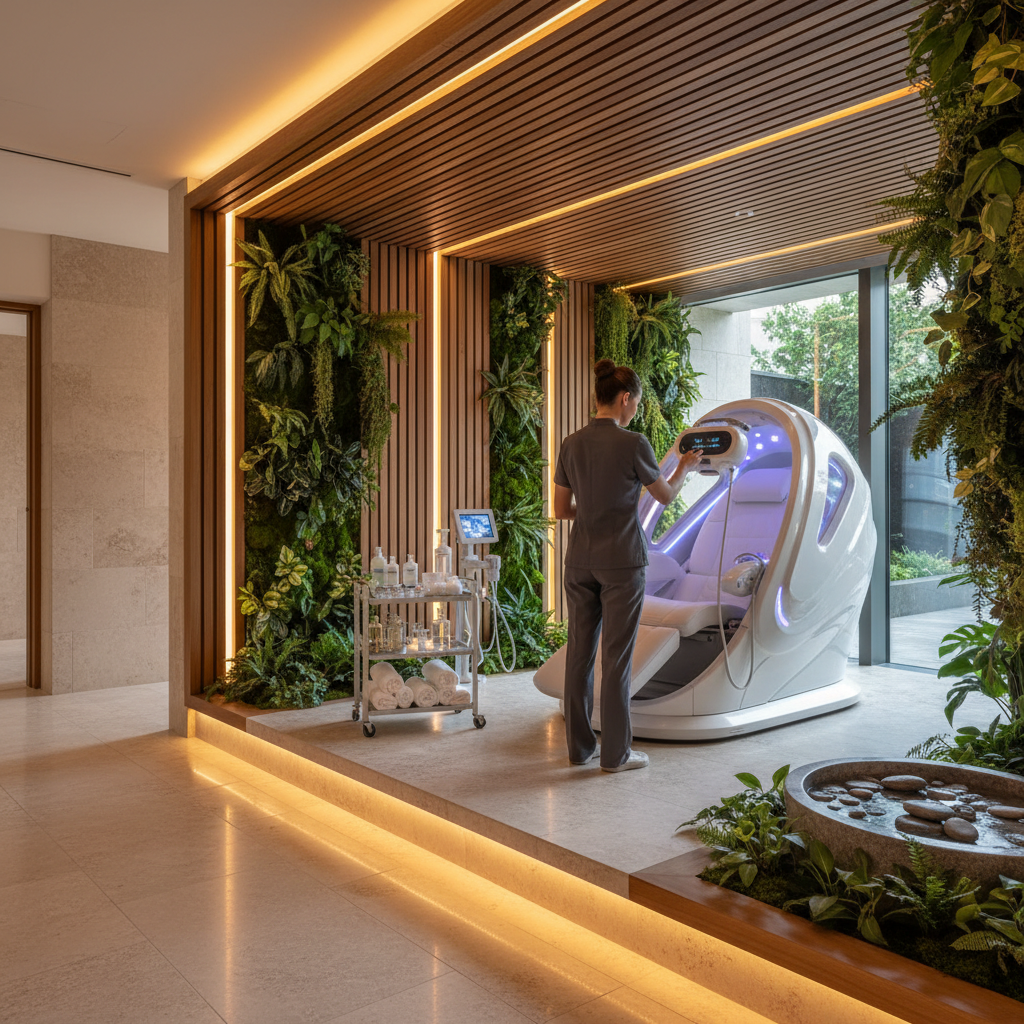
"Biohacking" is entering high-end centers. This includes cryotherapy, red light exposure (photobiomodulation), and infrared saunas. These technologies allow for the offering of sports recovery or longevity programs, retaining a younger and more male clientele.
2. Personalization through Data and Diagnostics
The era of standardized treatments is over. The modern client demands a tailor-made solution based on tangible evidence. Using high-tech skin diagnostic tools or biomarker analysis allows for the prescription of ultra-personalized treatment paths.
The Importance of Client Tracking
A client whose program is adjusted based on their actual results is a loyal client. Establishments using a high-performance client booking app collect valuable data on preferences and consumption history, allowing them to anticipate needs even before the client expresses them.
Retail as a Growth Lever
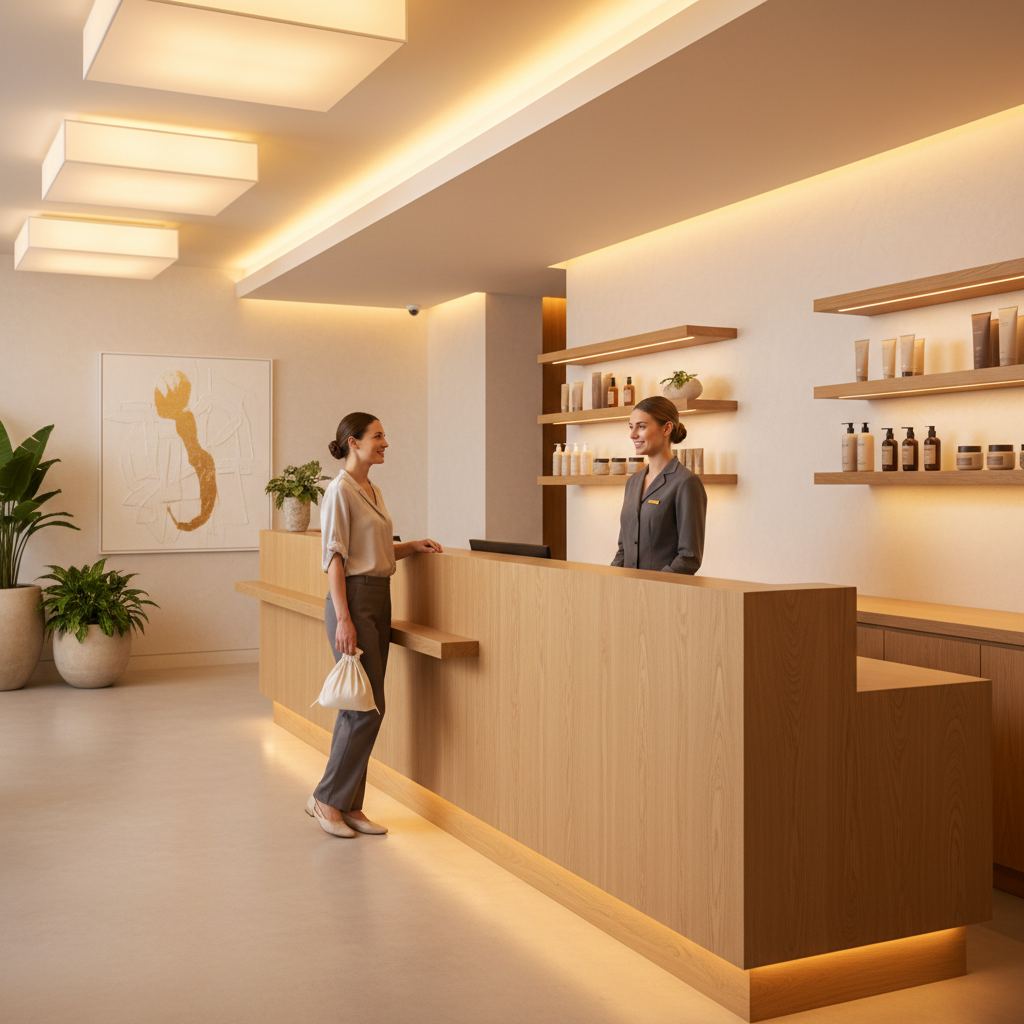
Retail product sales should represent 30% to 40% of a profitable spa's turnover. The trend is towards "beauty prescription": the practitioner becomes a consultant who recommends a home routine to extend the effects of the in-cabin treatment.
3. Digitalization and Operational Optimization
Operational excellence is the foundation of profitability. In a sector where margins can be tight, automating administrative tasks is vital. Digitalization is not just about booking appointments, but about managing the entire customer journey.
Reducing No-shows
Losses related to no-shows can amount to 15% of annual turnover. Implementing automatic SMS reminders and online deposit systems has become the norm to secure cash flow.
Inventory and Resource Management
Rigorous inventory management avoids costly overstocking or shortages on essential cabin products. Likewise, schedule optimization is crucial. Using a robust spa management software allows for real-time synchronization of cabin availability, equipment, and practitioners, thus maximizing occupancy rates.
4. Wellness Tourism and Immersive Customer Experience
Wellness tourism is growing 50% faster than conventional tourism. Spas are no longer hotel annexes, but destinations in their own right.
Customer Journey Scenography
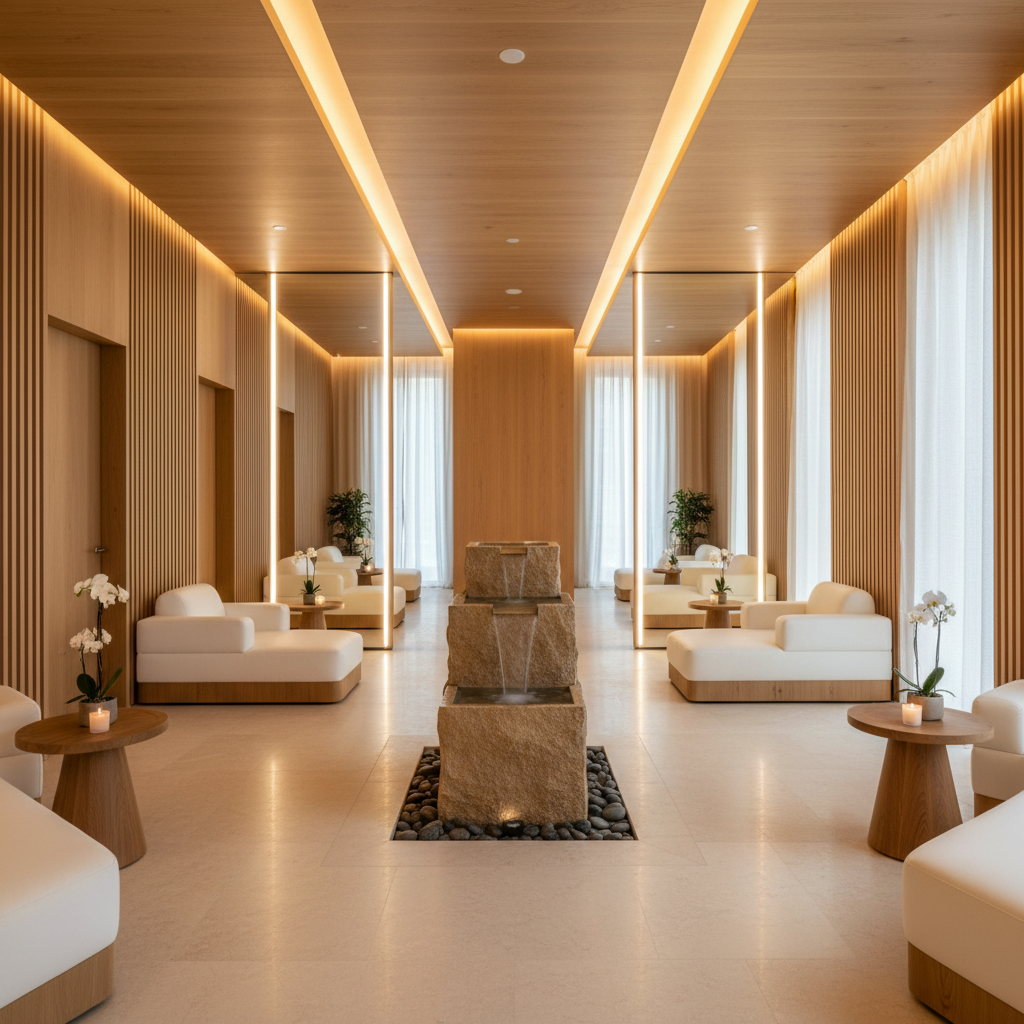
Every touchpoint must be thought out: from the olfactory atmosphere at the entrance to the quality of the bathrobe textiles. Clients look for "instagrammable" environments, which constitutes free and organic advertising for your establishment.
Subscription and Recurrence
To stabilize revenue, many centers are adopting the subscription model. Offering unlimited access to wet areas or a monthly treatment at a preferred rate helps smooth turnover throughout the year and creates an engaged community of members.
5. Eco-responsibility and Transparency
The 2024 consumer is sensitive to brand ethics. "Blue Beauty" (ocean protection) and the "Green Spa" are no longer marketing options but prerequisites.
Reducing the Environmental Footprint
This involves water management (recycling systems), the use of organic cotton linens, and the selection of cosmetic brands with recyclable packaging. Ecologically certified establishments observe an increase in patronage from millennials and Generation Z.
6. Talent Management and Retention
The industry faces a shortage of skilled labor. Team management is therefore a strategic pillar. A fulfilled and well-trained staff provides a better customer experience, which directly impacts the re-purchase rate.
Continuous Training and Specialization
Investing in practitioner training (specific massages, new technologies) values their profession and reduces turnover. Revenue sharing on product sales is also an excellent motivational lever.
Conclusion: Towards Intelligent Management
The success of a modern spa relies on the delicate balance between the human — touch, empathy — and technology. Adopting digital tools is not an end in itself, but a means to free up time for what truly matters: the care and attention given to the client. By staying attuned to market changes and optimizing your internal processes, you ensure the longevity of your establishment. To support this transformation, discovering adapted management solutions becomes a crucial step in simplifying your daily life as a professional.
Ready to transform your business?
Discover how Madyis can help you grow your business.
Discover Madyis