Spa Trends 2024: The Expert Guide for Wellness Centers
Spa and Wellness Trends: The Strategic Guide for Professionals
The global wellness industry is experiencing unprecedented growth. According to recent data from the Global Wellness Institute, the wellness economy is expected to grow by 10% annually to reach $7 trillion by 2025. For managers of spas and wellness centers, this dynamic requires a deep rethinking of traditional models.
Customers are no longer just looking for a one-off treatment, but a holistic experience integrating technology, mental health, and respect for the environment. In this context, how can you adapt your offer to remain competitive? This guide explores the fundamental pillars redefining the sector today.
1. The Rise of Biohacking and High-Performance Wellness
Biohacking, or the science of biological optimization, is making a massive entry into high-end spas. It is no longer just about relaxation, but about improving bodily functions. Customers are increasingly informed and seek measurable results on their sleep, stress levels, and longevity.
Cryotherapy and Thermal Exposure
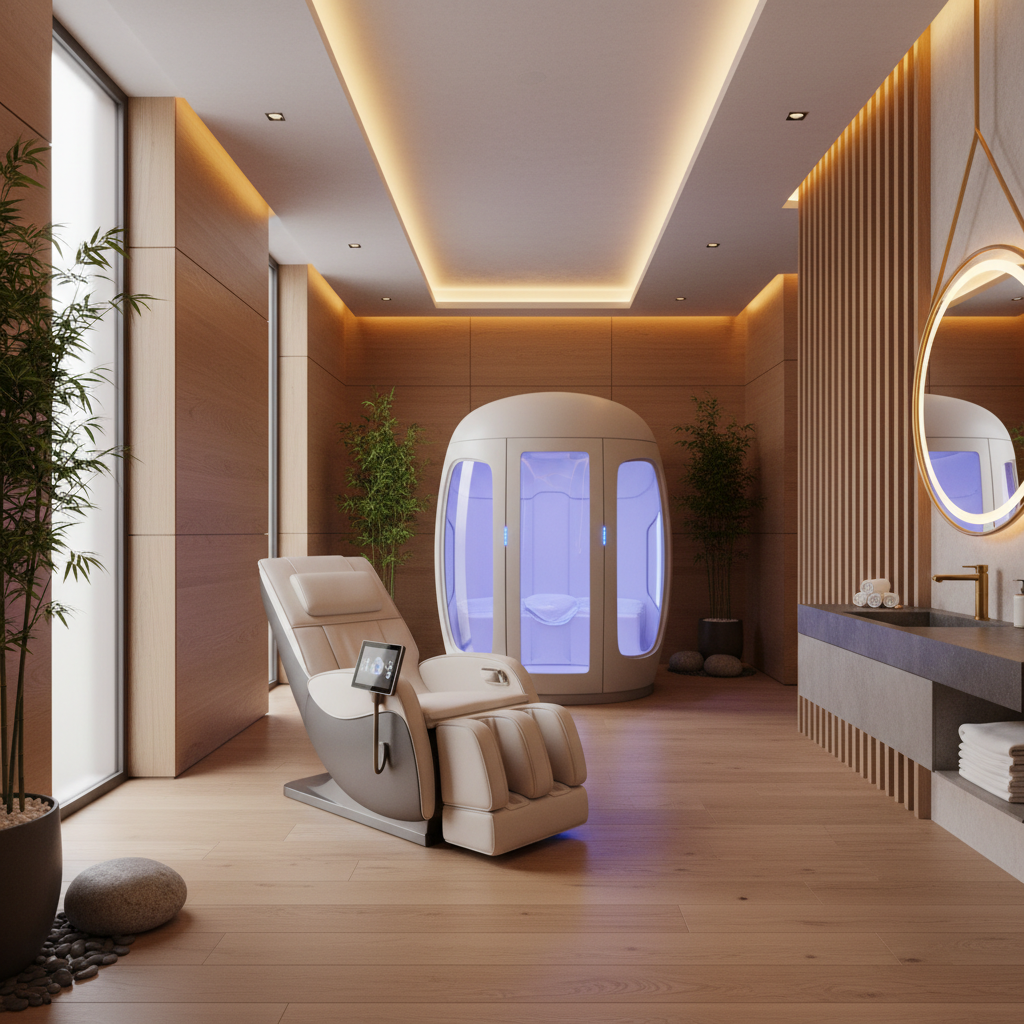
Alternating between hot and cold remains a pillar. However, the trend is moving towards more scientific protocols. Whole-body cryotherapy, once reserved for elite athletes, is becoming a standard for recovery and reduction of systemic inflammation.
Biometric Data Integration
Some centers are starting to offer assessments based on data from wearable devices (smartwatches, connected rings). Offering a personalized treatment based on the client's Heart Rate Variability (HRV) upon arrival is an approach that values the practitioner's expertise and justifies premium rates.
Light Therapies (Photobiomodulation)
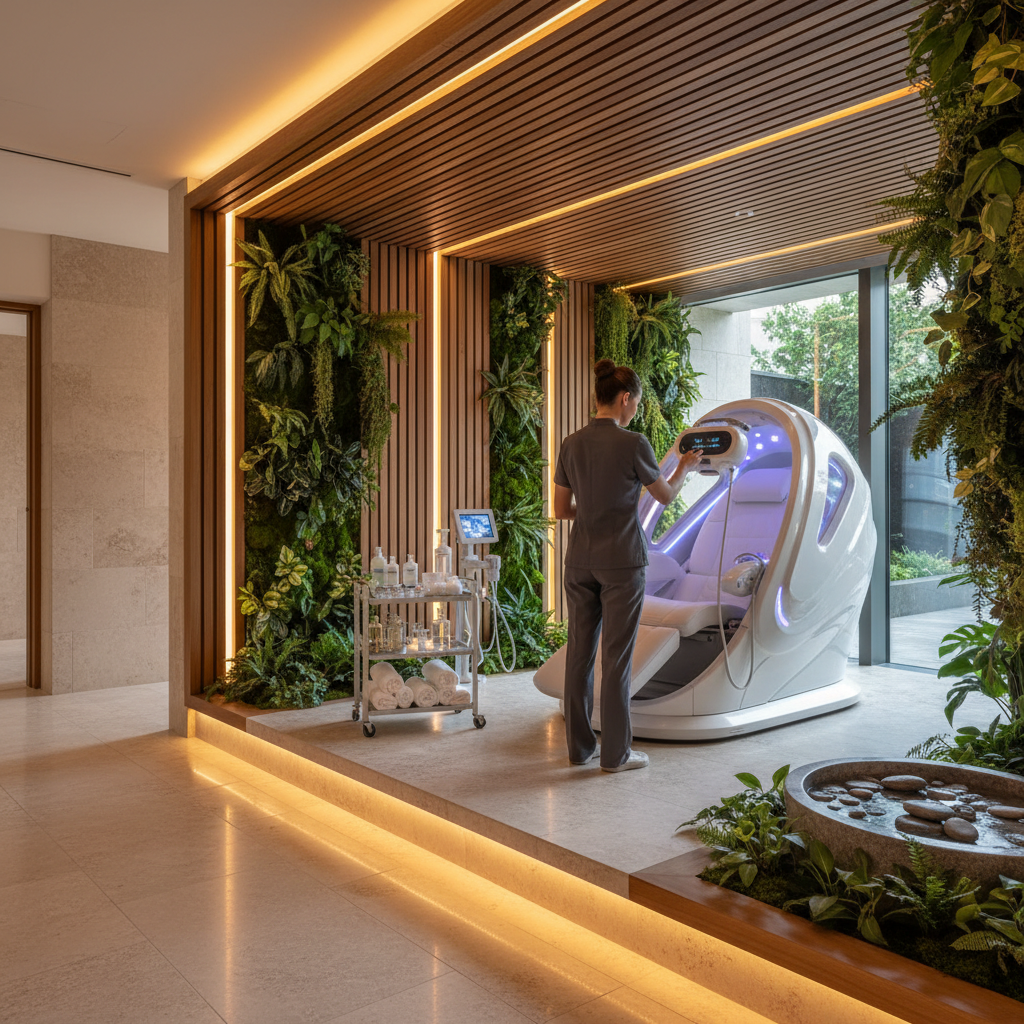
The use of LEDs and red infrared for cell regeneration is gaining ground. Easy to implement, these technologies allow for no-contact treatments, optimizing staff time while offering concrete benefits for skin quality and muscle recovery.
2. Mental Health: The New Face of Care
Chronic stress has become the epidemic of the century. Wellness centers are mutating into sanctuaries for mental health. According to a study by Mindbody, 78% of consumers say mental wellness is their number one priority, ahead of physical fitness.
Assisted Meditation and Sound Immersion
Sound baths using Tibetan bowls or specific Hertzian frequencies are experiencing booming success. These services require little investment in consumables but need specific training in sound therapy to ensure an immersive experience.
Sleep: The Ultimate Service
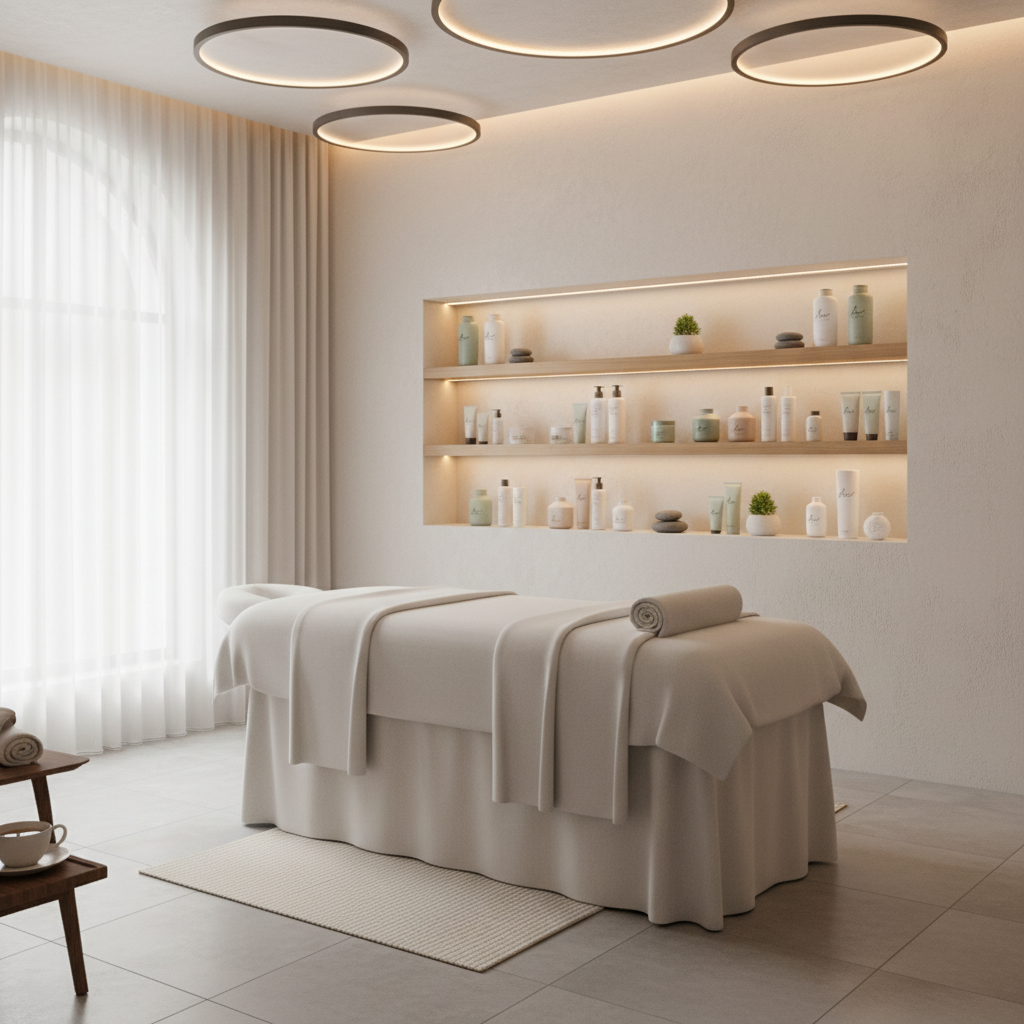
"Sleep Tourism" or treatments dedicated to sleep are becoming a major source of revenue. Specific massages, combined with circadian hygiene advice and the use of essential oils like vetiver or lemon balm, meet a growing demand from clients suffering from insomnia.
Emotional Support
Training staff in emotional reception and basic psychology is becoming crucial. A client who feels heard and understood as a whole is a client who will return. Implementing a robust spa software solution helps track each visitor's emotional history and preferences to personalize the welcome.
3. Sustainability and Eco-responsibility: The Ethical Imperative
The 2024 consumer is sensitive to the ecological footprint of their leisure activities. "Green Washing" is no longer enough; spas must prove their commitment with concrete actions.
Reducing Water and Energy Footprints
Spas are energy-intensive. Installing heat recovery systems on wastewater or using high-performance heat pumps is becoming a marketing argument as much as an economic necessity in the face of rising energy costs.
"Blue Beauty" Cosmetics
Beyond organic, the trend is towards ocean protection. Products used in cabins must be biodegradable and their packaging reduced to a minimum. Highlighting partnerships with local and ethical brands strengthens the territorial anchoring of your establishment.
Zero Waste in Cabins
Replacing disposable items with sustainable alternatives (washable cottons, biodegradable slippers) is now expected by the clientele. This shift requires optimized laundry logistics but reduces consumable purchase costs in the long term. A well-organized team management process is key to handling these new eco-friendly workflows.
4. Digitalization and Customer Journey Optimization
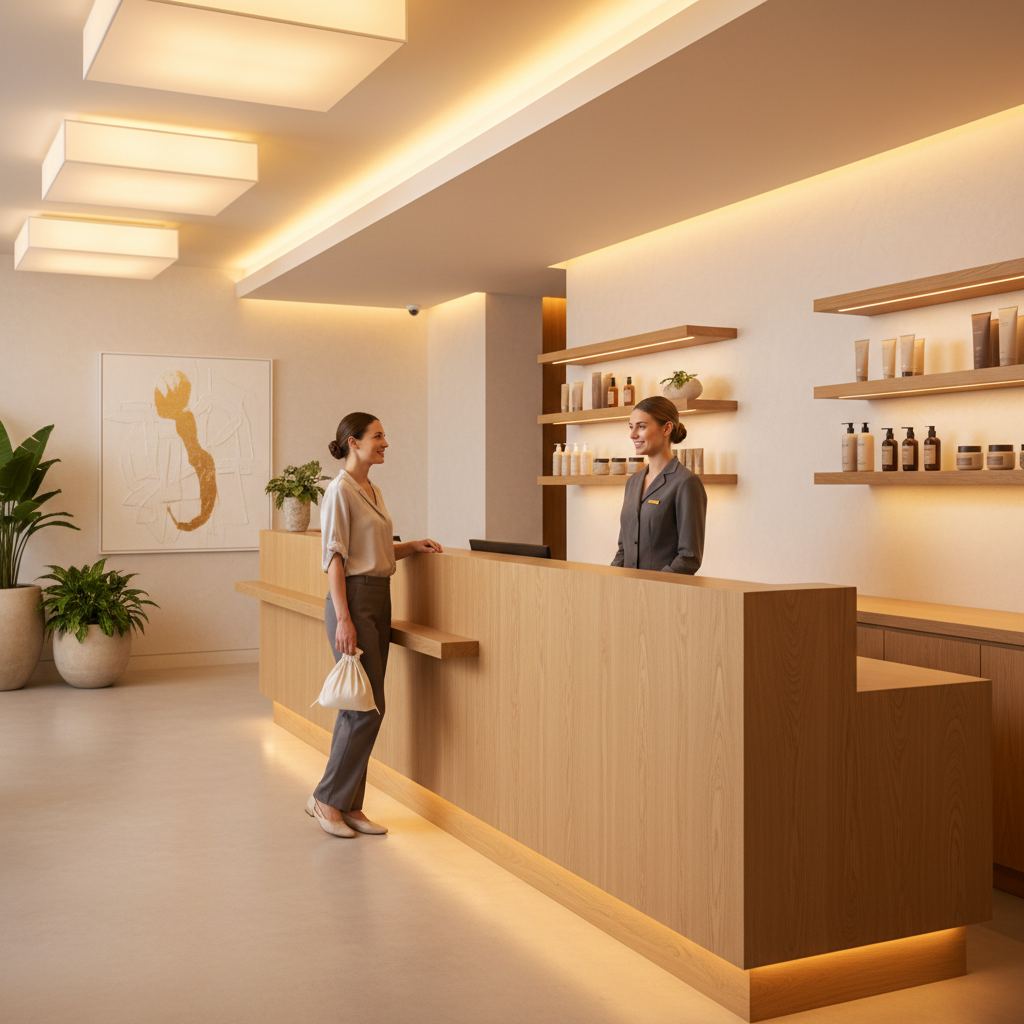
Technology should not replace human contact but fluidify it. A frictionless customer journey starts at booking and continues long after the treatment.
Omnichannel Online Booking
Clients want to be able to book a treatment at 11 PM from their smartphone. An intuitive booking interface, accessible from Instagram or Google Maps, is essential. This reduces the administrative burden on reception and decreases the "no-show" rate through automatic reminders.
Data Analysis for Loyalty
Leveraging customer data allows for targeted marketing campaigns. If a client usually books Swedish massages every two months, a personalized offer sent at the right time can increase their visit frequency.
Contactless Payment and Digital Tipping
Facilitating final payment by offering modern solutions improves the client's exit experience. The end of the treatment should be a moment of serenity, not administrative or monetary stress.
5. Advanced Personalization and AI
Artificial Intelligence is starting to transform skin diagnosis and body analysis. 3D scanners or skin analysis apps allow for recommending additional sales products with surgical precision.
Post-Treatment Product Recommendation
Retail product sales can represent up to 30% of a successful spa's revenue. AI can help suggest the most suitable products based on the results of the treatment performed, creating continuity between the spa and the client's home routine.
Hyper-personalization of Protocols
Rather than fixed treatment menus, the trend is towards "bespoke" treatments. The practitioner adjusts technique, pressure, and products in real-time after a deep discussion with the client. This approach values the esthetician's or masseur's expertise.
6. Physical Space: Biophilic Design and Hygiene
The design of wellness centers is evolving towards the concept of biophilia: integrating nature indoors. Green walls, maximized natural light, and raw materials (stone, wood) create an immediate soothing atmosphere.
Acoustics and Olfaction
Silence is the ultimate luxury. Soundproofing cabins and creating a unique olfactory identity for the center are details that mark the clients' sensory memory. A signature scent can also be declined into candles or home fragrances for sale.
Transparency and Hygiene
Since the health crisis, hygiene standards are scrutinized. Clearly displaying disinfection protocols and maintaining impeccable cleanliness in wet areas (hammam, sauna) is non-negotiable to keep client trust.
Conclusion: Towards Augmented Management
The spa and wellness sector is at the crossroads of manual tradition and technological innovation. To succeed, owners must invest in continuous staff training, adopt sustainable practices, and not fear digitalizing their processes.
By optimizing daily management and focusing on the human experience, wellness centers can not only retain a demanding clientele but also ensure sustainable profitability. It is essential to rely on modern tools to automate low-value tasks and focus on the essential: care. For those wishing to take a step forward in their organization, discovering adapted solutions can radically transform their establishment's management.
Ready to transform your business?
Discover how Madyis can help you grow your business.
Discover Madyis