Spa Growth: 7 Proven Strategies for Your Wellness Center
Growth Strategies for Spas and Wellness Centers: The Ultimate Guide
The wellness sector is undergoing an unprecedented transformation. According to the Global Wellness Institute, the global wellness economy has been growing by 12% annually since 2020. For spa owners, this opportunity comes with increased competition and higher customer expectations. To thrive, offering excellent treatments is no longer enough; you must manage your establishment with a strategic vision focused on profitability, customer experience, and digital innovation.
1. Square Meter Profitability and Treatment Optimization
Spa growth starts with a deep understanding of key performance indicators (KPIs). In a wellness center, space is your most valuable resource. Each treatment room must generate optimal revenue to cover the significant fixed costs related to staff and facility maintenance.
Maximizing Room Occupancy Rates
An average spa often has an occupancy rate of 35% to 45%. Increasing this to 60% can double your net margin. To achieve this, analyze your off-peak hours. Instead of drastic price cuts, offer treatment extensions (add-ons) to fill less busy slots. For example, a complimentary 15-minute scalp massage for any booking between 10 AM and 12 PM on weekdays helps smooth attendance without devaluing your menu.
The Treatment Menu: Less is More
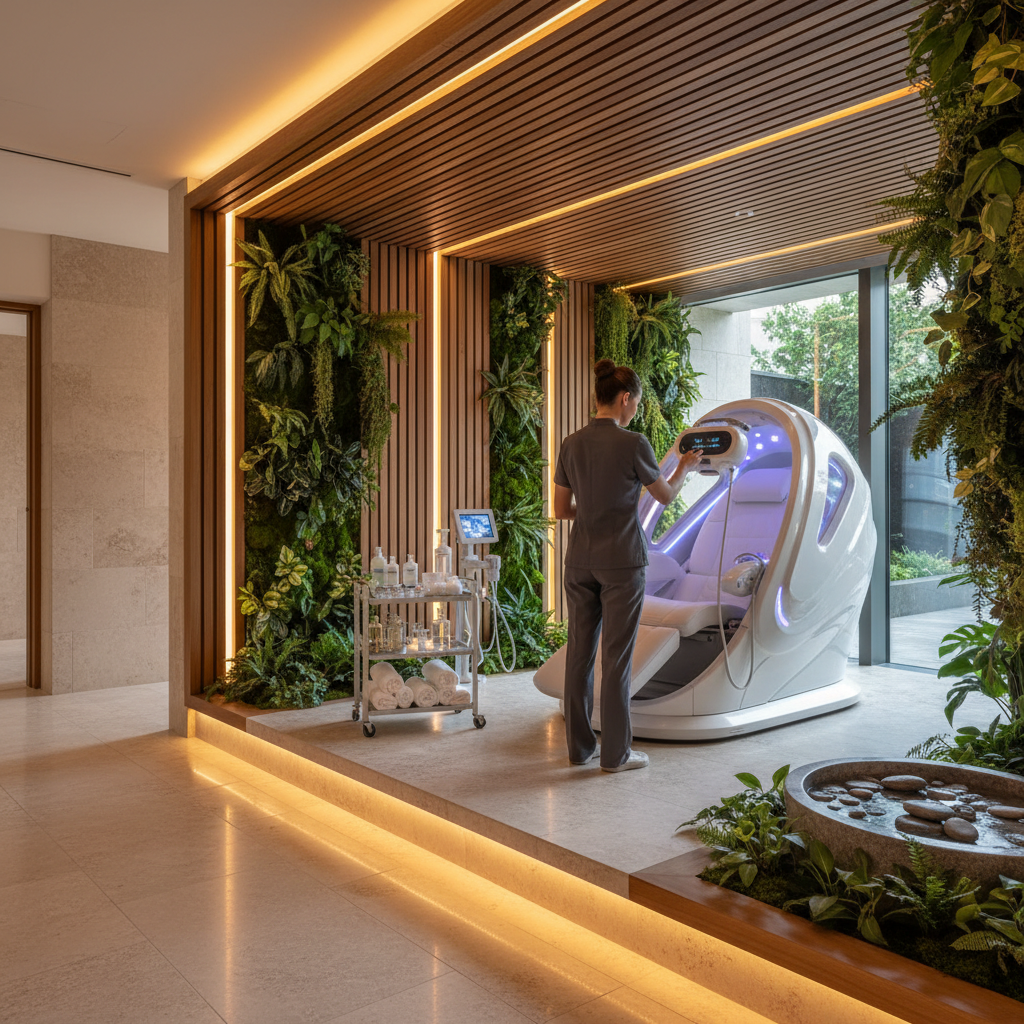
A common mistake is offering too wide a range of treatments. A bloated menu complicates inventory management and staff training. Focus on a selection of high-value signature treatments. Study the margin of each service: certain facial treatments using advanced technology or specific products offer much higher profitability than traditional massages that are labor-intensive.
2. Digitalization and Seamless Customer Journeys
The customer experience begins long before they enter the spa. Today, 80% of spa clients prefer booking their services online, outside of business hours. Implementing a high-performance spa management software has become a prerequisite for capturing this spontaneous demand.
Online Booking as a Conversion Lever
Your website should not be a simple storefront but a true sales channel. A smooth booking module reduces abandonment rates. Ensure the booking process is mobile-optimized, as most local wellness searches happen on smartphones. Automating confirmations and SMS reminders helps reduce the "no-show" rate, which can cost poorly organized establishments up to 15% of their annual revenue.
Digital Payments and Deposits
To secure your cash flow, implementing deposits upon booking is becoming a standard practice. This filters out unreliable clients and guarantees a minimum income per blocked slot. Additionally, offering online gift card purchases is a major growth driver, especially during the holiday season and Mother's Day.
3. Upselling and Retailing Strategies
Cosmetic product sales (retailing) should ideally represent between 20% and 30% of a spa's total revenue. Yet, many centers plateau at 5%. Transitioning from a pure service model to a service/sales hybrid model is key to healthy growth.
Beauty Prescription vs. Hard Selling
Your practitioners are experts. Selling should not be perceived as commercial pressure but as an extension of the treatment. Train your teams in "prescription." At the end of a session, the aesthetician should recommend the 2 or 3 products used that will allow the client to prolong the treatment's benefits at home. Use personalized recommendation cards to enhance this expert advice.
Merchandising and Impulse Zones
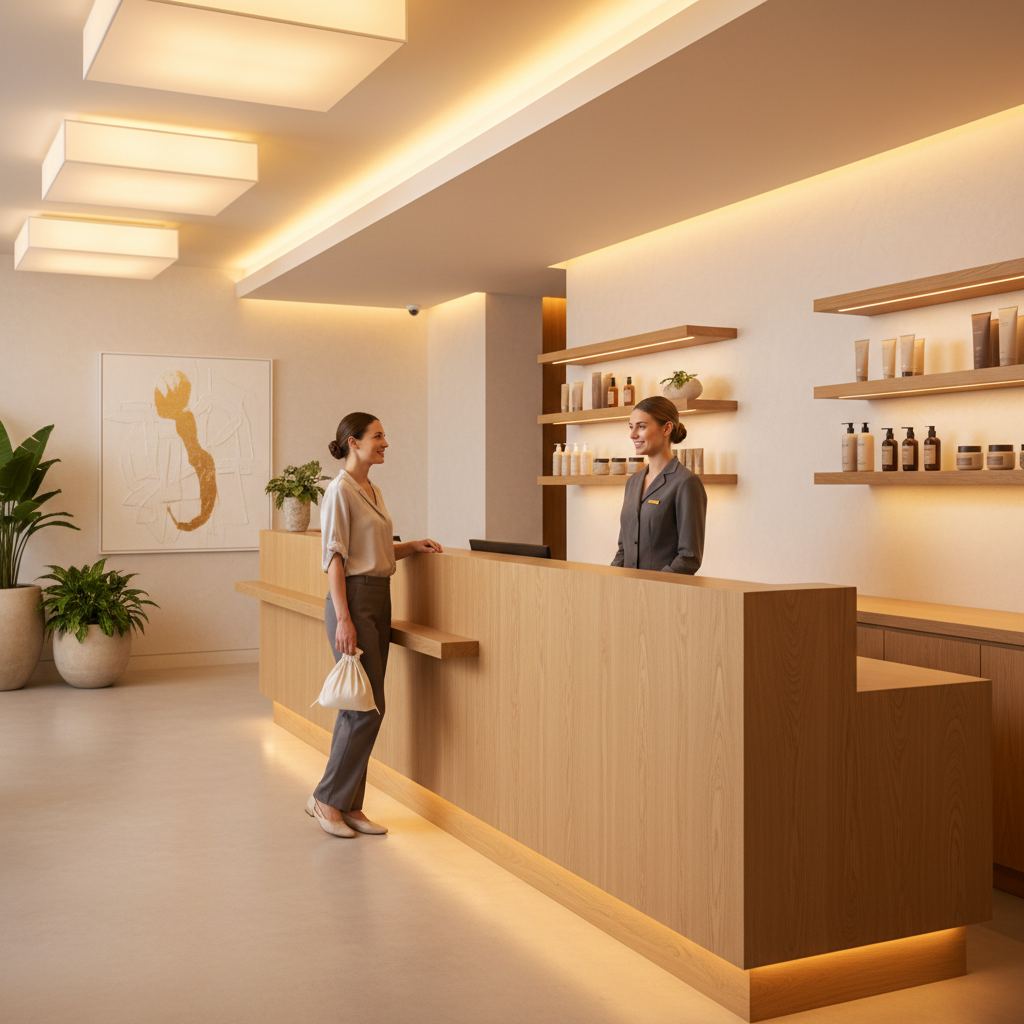
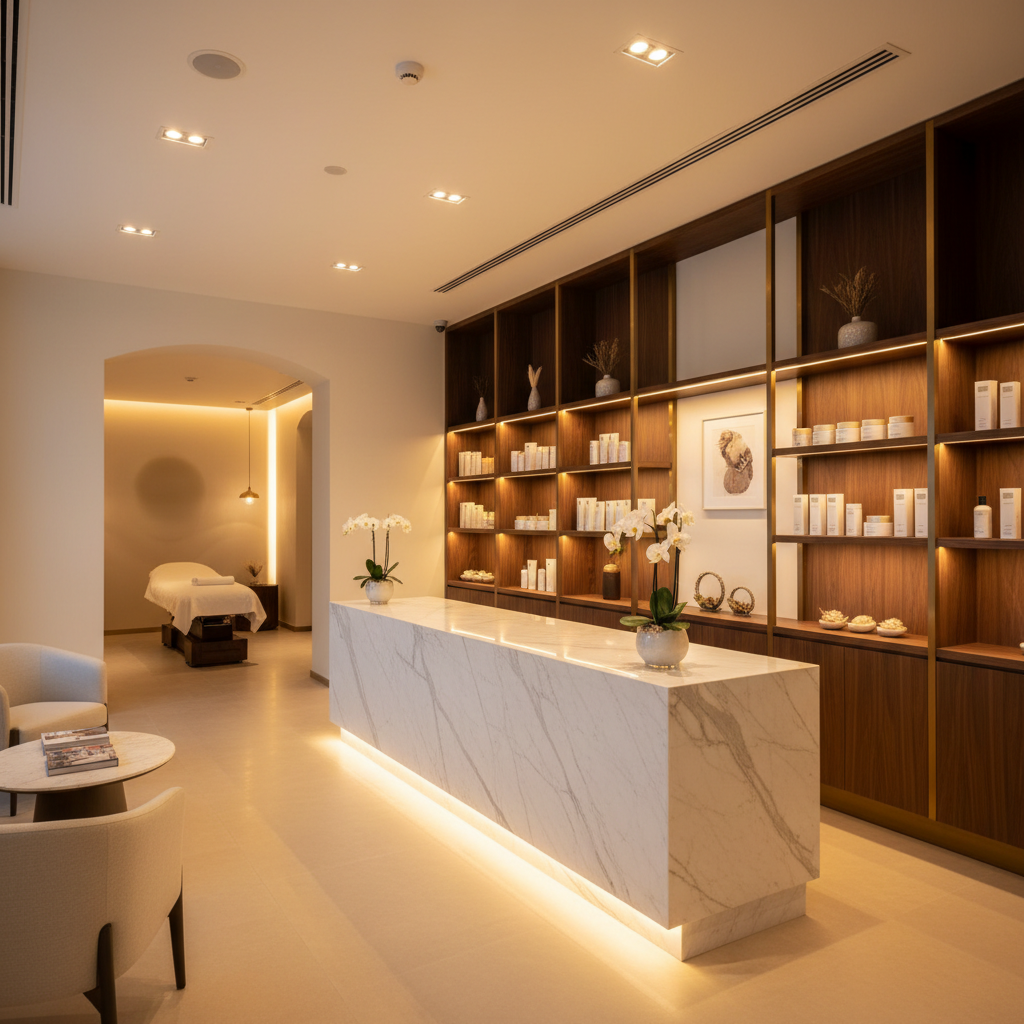
Your reception area's layout plays a crucial role. Use testers, highlight new products, and create themed gift sets. A client waiting for their treatment is in a mindset conducive to discovery. A bright, accessible sales area encourages the impulsive purchase of complementary products (candles, teas, beauty accessories).
4. Loyalty and Retention Marketing
Acquiring a new customer costs 5 to 25 times more than retaining an existing one. For a spa, frequency is the foundation of financial stability. A loyal customer spends an average of 67% more than a new customer after one year of attendance.
Smart Loyalty Programs
Move beyond simple punch cards. Offer status-based or points-based programs with exclusive benefits: priority access to new products, invitations to private events, or complimentary skin diagnostics. The goal is to create a sense of belonging to a community.
Marketing Automation and Segmentation
Using your database, segment your clients. Don't send the same offer to a loyal customer who visits monthly as to someone who visited once six months ago. Send personalized emails for birthdays or automatically reach out to clients who haven't booked in 90 days. A well-integrated client booking app allows you to collect this valuable data to personalize communication.
5. Management and Staff Empowerment
In the spa industry, your employees are your brand. High turnover is a major barrier to growth, as it breaks the trust between the client and the practitioner. The quality of team management directly influences the customer experience.
Continuous Training and Motivation
The sector is evolving fast: new massage techniques, radiofrequency technologies, holistic approaches... Investing in staff training is the best way to maintain excellence. Competent staff are more engaged and more likely to promote your services and products.
Performance-Based Bonus Systems
Implement financial incentives linked not only to overall turnover but also to product sales and immediate re-bookings. This aligns employee goals with company goals while valuing their commercial expertise.
6. Reputation Management and Local Visibility
Local SEO is vital. When a user types "best massage near me," your spa must appear in the top Google Maps results. Customer reviews are the number one choice criterion for 90% of wellness consumers.
Proactive Review Collection
Don't wait for clients to leave reviews on their own. Automate sending a message after each visit to request feedback. Systematically respond to all reviews, both positive and negative. A professional response to a critique can turn a disappointing experience into a demonstration of your professionalism and attentiveness.
Strategic Local Partnerships
Develop your local network. Collaborate with hotels that don't have a spa, high-end gyms, or corporate concierges. Visibility exchanges or referral systems allow you to reach a qualified audience without investing heavily in paid advertising.
Conclusion: The Era of the Connected and Efficient Spa
Spa growth relies on a subtle balance between operational excellence, human empathy, and technological efficiency. By optimizing your time management, valuing your retail products, and taking care of your digital presence, you transform a simple treatment center into a sustainable and profitable business. Long-term success requires constant questioning of your processes and the adoption of modern management tools. To support this transformation, global solutions now exist to seamlessly centralize your bookings, inventory, and marketing.
Ready to transform your business?
Discover how Madyis can help you grow your business.
Discover Madyis