Spa Growth Strategies: The Ultimate 2024 Expert Guide

Spa Growth Strategies: The Ultimate Expert Guide to Boosting Your Business
The global wellness industry is now worth over $4.5 trillion, and the spa sector is one of its most dynamic pillars. While the market is growing, competition is fiercer than ever. For a spa manager, growth is no longer just about the quality of treatments; it requires a holistic approach blending operational excellence, sharp digital marketing, and meticulous customer experience management.
According to Global Wellness Institute studies, modern consumers seek personalized experiences over standardized services. About 65% of spa clients state that their choice is influenced by an establishment's ability to offer a seamless journey, from online booking to post-treatment follow-up. In this context, how can you transform your structure to capture this demand and sustain your activity? Let's explore the fundamental levers of growth in the spa industry.
1. Analyzing and Optimizing Profitability per Square Foot
The first step toward sustainable growth is a rigorous analysis of your current performance. In a spa, every square foot must generate revenue. All too often, underutilized relaxation areas or poorly optimized treatment rooms weigh down overall profitability.
Planning and Occupancy Rate Optimization
The average occupancy rate for a spa usually ranges between 40% and 55%. Increasing this rate doesn't necessarily mean working harder, but working smarter. Utilizing a spa management software allows you to identify off-peak hours and implement dynamic pricing strategies (yield management).
For instance, offering targeted promotions on Tuesday and Wednesday mornings can attract local retirees or freelancers, smoothing out the weekly workload. A 10% gain in occupancy can translate into a 15-20% increase in net profit, as fixed costs (rent, utilities) are already covered.
Inventory Management and Product Margins
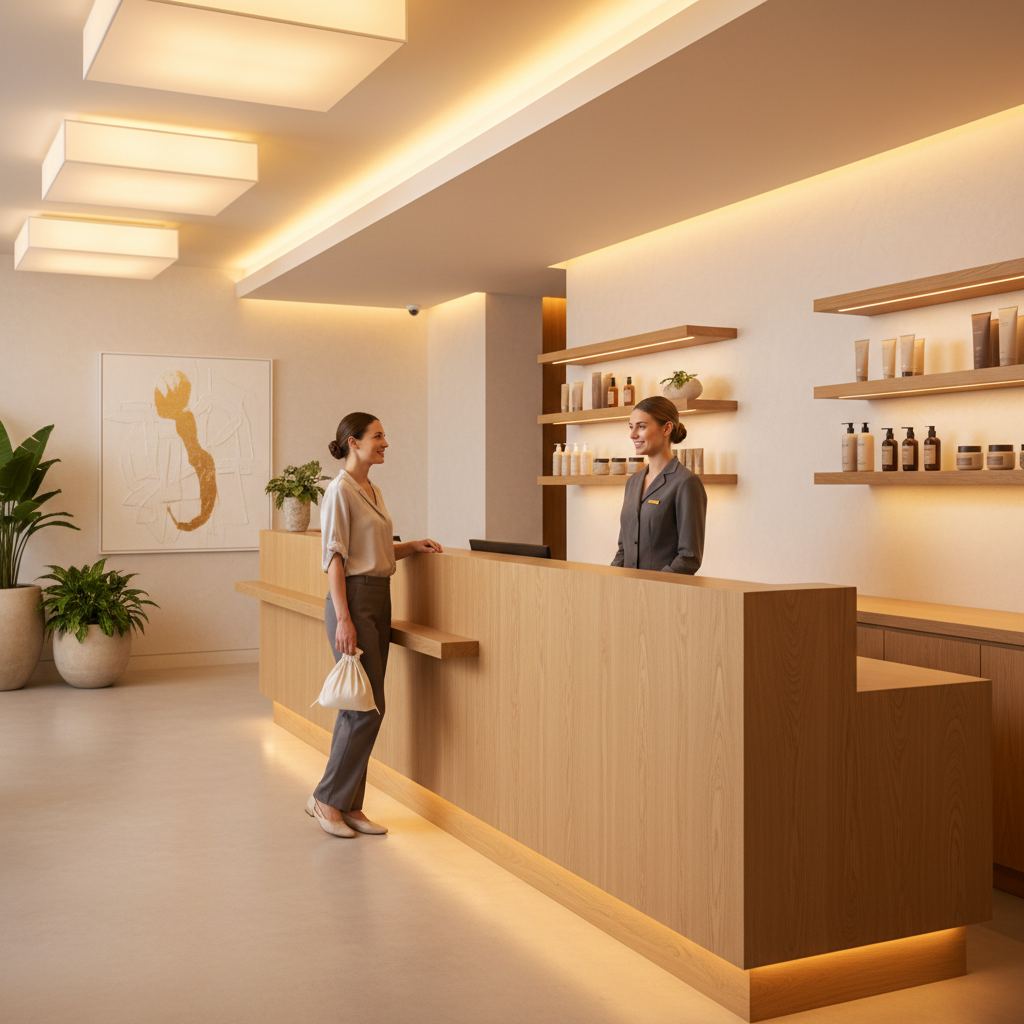
Retail product sales are the fastest growth lever. While treatments have limited margins due to labor costs, retail products often boast 50% margins. A high-performing facility should aim for 20% to 25% of its total revenue coming from retail. To achieve this, train your therapists not to "sell," but to prescribe a skincare routine. Every treatment should conclude with a personalized recommendation noted on a care sheet.
2. Customer Experience: From Digital to Sensory
The customer journey begins long before they step foot in your establishment. In the digital age, the first interaction happens on a screen.
Digitalizing the Booking Journey
Booking fluidity is a major conversion factor. Statistics show that 40% of wellness treatment bookings are made outside of opening hours (between 9 PM and 8 AM). If you don't offer a simple and intuitive client booking app, you mechanically lose nearly half of your sales opportunities.
The experience continues upon arrival: a personalized welcome, using the client's name, and knowing their past preferences creates a strong emotional bond. Digital tools should serve the human element by providing teams with the data needed to anticipate needs without being intrusive.
Creating a Unique Sensory Journey
Differentiation in the spa market comes through a sensory signature. Music, lighting, and especially scent play a major role in experience recall. Neuro-marketing studies indicate that clients spend up to 20% more in environments where the olfactory atmosphere is consistent with the treatments offered. Work on your identity so it is recognizable from the moment they walk through the door.
3. Marketing Strategies for Loyalty and Referrals
Acquiring a new client costs 5 to 7 times more than retaining an existing one. Yet, many wellness centers focus solely on acquisition.
Implementing a Smart Loyalty Program
Forget the simple "10th treatment free" card. Opt for a points system that rewards not just purchases, but also behaviors (referrals, Google reviews, product purchases). Value your loyal clients with exclusive privileges: early access to new treatment rooms, invitations to discovery evenings, or free skin diagnostics.
The Power of Subscriptions and Recurrence
The membership business model is becoming popular in the spa world. By offering a monthly debit that entitles the client to a defined treatment and permanent benefits, you secure your cash flow and ensure a constant flow of clients, even in low season. This transforms a one-off pleasure purchase into a regular investment in health and well-being.
4. Management and Training: Your Staff is Your Brand
In a spa, the product is the person. Turnover in the beauty and spa sector can reach 30% per year, which seriously harms service quality and profitability.
Recruitment and Company Culture
Recruitment should focus on soft skills (empathy, listening, presentation). Massage techniques can be taught, but emotional intelligence is innate. To retain your best talent, value them with continuous training plans. A therapist trained in the latest lymphatic drainage techniques or facialist massages is a valuable asset that can justify higher treatment rates.
Incentives and Motivation
Link part of the compensation to retail sales and rebooking targets. If a client rebooks immediately after their treatment, it's a sign of a successful service. Reward this effort. A team involved in the company's financial results is a team that invests more in client care.
5. The Power of Data and Monitoring
You cannot improve what you do not measure. High-growth wellness centers are those that manage their activity through key performance indicators (KPIs).
Key Indicators to Track
Analyzing this data allows you to adjust your strategy in real-time. If your retention rate drops, it might be time to review your front desk training or protocol quality.
Conclusion: Towards Modern and Agile Management
Spa growth in 2024 is no longer based on luck or location alone. It is the result of a rigorous strategy that puts innovation and customer experience at the heart of every decision. By optimizing your resources, digitalizing your processes, and valuing your human talent, you create a virtuous circle of profitability. To support this transformation, implementing modern technological tools is essential. It is vital to discover adapted solutions to automate time-consuming tasks and focus on what matters most: your clients' well-being.
Ready to transform your business?
Discover how Madyis can help you grow your business.
Discover Madyis