Spa Marketing: Boosting Your Visibility and Revenue
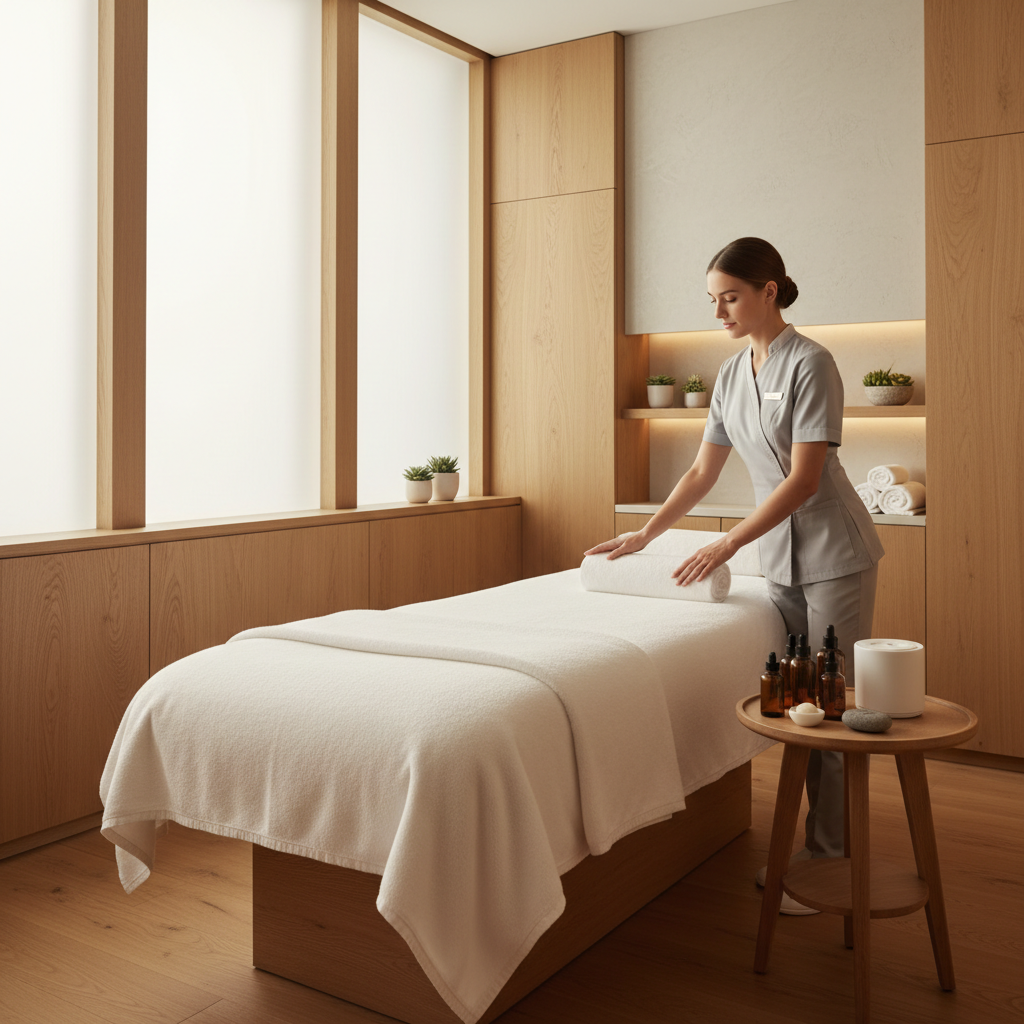
Marketing and Visibility for Spas: The Complete Growth Guide
The global wellness industry is now worth over $4.5 trillion, and the spa sector is one of its most dynamic pillars. With competition increasing by 15% annually in major urban areas, having exceptional know-how is no longer enough. Visibility has become the sinews of war.
The customer journey has changed radically. Today, 85% of consumers perform a local search before booking a treatment. If your establishment does not appear in the top search results or does not project an immediate image of trust, you are potentially losing thousands of dollars in revenue. This guide explores the strategic levers to transform your wellness center into an essential reference.
1. Local Search Engine Optimization (Local SEO)
For a physical establishment like a spa, local SEO is the absolute priority. It's not just about being on Google; it's about dominating your catchment area. Statistics show that the "Local Pack" (the three results displayed with the map) captures over 40% of clicks.
Google Business Profile: Your Digital Storefront
Your business profile is often the first contact a customer has with you. It must be exhaustive:
Niche and Long-Tail Keywords
Don't just target "Spa New York." Aim for phrases like "hot stone duo massage London" or "organic facial treatment Sydney." These long-tail keywords have a much higher conversion rate because they meet a precise search intent. Using a spa management software often allows these services to be integrated directly into a fluid booking funnel, thus improving your online conversion rate.
2. Storytelling and Sensory Branding
In the wellness sector, you don't sell a service, but an emotion and a transformation. Your marketing must reflect the sensory experience you offer.
Building a Coherent Visual Identity
The choice of colors (soothing blue, natural green, zen beige) influences the psychological perception of the customer even before they cross your doorstep. Your website must load quickly and offer fluid navigation, as a loading time of more than 3 seconds drives away 40% of visitors.
The Power of Video Content
Short video format (Reels, TikTok) has become essential. Show the behind-the-scenes: preparing a cabin, mixing essential oils, or the serenity of your relaxation room. Authenticity creates a bond of trust. A customer who can visualize the sound and visual atmosphere of your establishment is twice as likely to book.
3. Loyalty Strategies and Average Basket Maximization
Acquiring a new customer costs 5 to 7 times more than retaining one. In wellness, recurrence is the key to profitability.
The Reimagined Loyalty Program
Forget the simple paper card. Propose point systems based on the amount spent rather than the number of visits. Offer exclusive advantages: priority access to new treatments, invitations to private evenings, or complimentary personalized skin diagnostics.
Cross-selling and Up-selling
Train your practitioners to recommend skincare products after the massage. About 20% of a successful spa's revenue should come from the resale of cosmetic products. If a client enjoyed the oil used during their treatment, they are in an ideal psychological state to extend the experience at home.
4. Data Exploitation and Targeted E-mailing
Mass marketing is dead. Long live hyper-personalization. Thanks to the data collected, you can anticipate your customers' needs.
Segmentation of Your Database
Don't launch the same promotion to everyone. Send an anti-aging treatment offer to your clients over 40, and a promotion on sports massages to your male clientele. A personalized email generates a 26% higher open rate.
Marketing Automation
Schedule automatic sends:
5. Strategic Partnerships and Local Influence
Visibility also comes through anchoring in your local ecosystem. A spa benefits from partnering with players sharing the same values.
Collaborations with Micro-influencers
Don't aim for celebrities. A local micro-influencer (5,000 to 20,000 followers) often has a much more engaged audience close to your geographical area. Offer them a treatment in exchange for an authentic share of their experience.
Co-branding with Local Businesses
Create partnerships with organic tea shops, yoga studios, or high-end hotels without an integrated spa. You can offer joint gift sets or cross-gift cards to expand your mutual audience.
6. Digital Customer Experience Management
The transition between the digital world and the physical reception must be invisible. The customer experience starts on the screen.
24/7 Online Booking
According to the latest studies, 40% of spa bookings are made outside of opening hours (often between 9 PM and midnight). If you don't have an immediate booking tool, you are missing nearly half of your growth potential.
Reviews as Social Proof
Systematically encourage your satisfied customers to leave a review right after their treatment, when their endorphin levels are highest. You can even automate this request via SMS a few hours after the appointment.
7. Trends and Innovation: The Future of the Spa
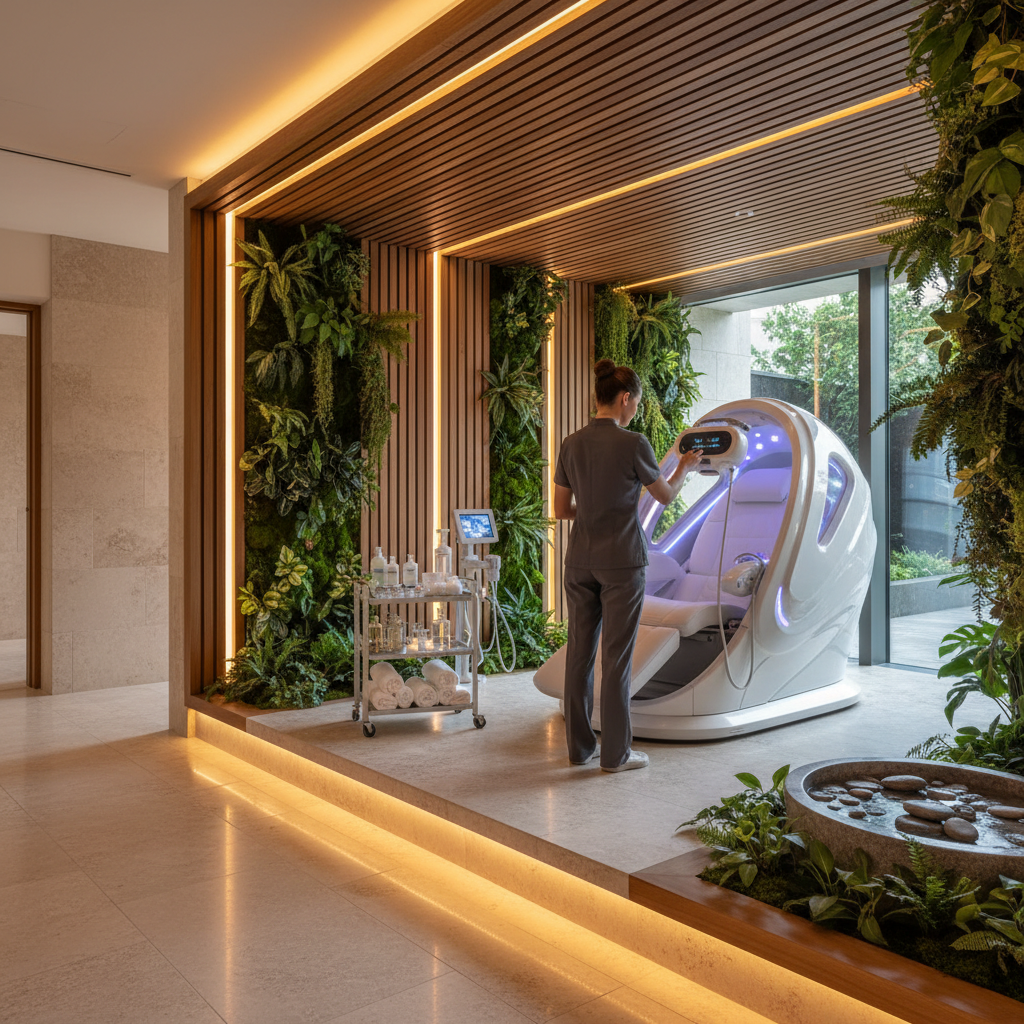
The market is moving towards "Wellness Tech." Clients seek visible results combined with relaxation. Integrating technologies like light therapy, cryotherapy, or ultra-personalized treatment protocols via digital diagnostics can drastically differentiate you from the competition.
In conclusion, the growth of a spa relies on a subtle balance between irreproachable professional expertise and mastery of digital tools. To sustain your business, it is essential to build a solid structure and discover adapted solutions for wellness digitalization to remain competitive in a constantly changing market.
Ready to transform your business?
Discover how Madyis can help you grow your business.
Discover Madyis