Back to blogSeptember 15, 202615 min read 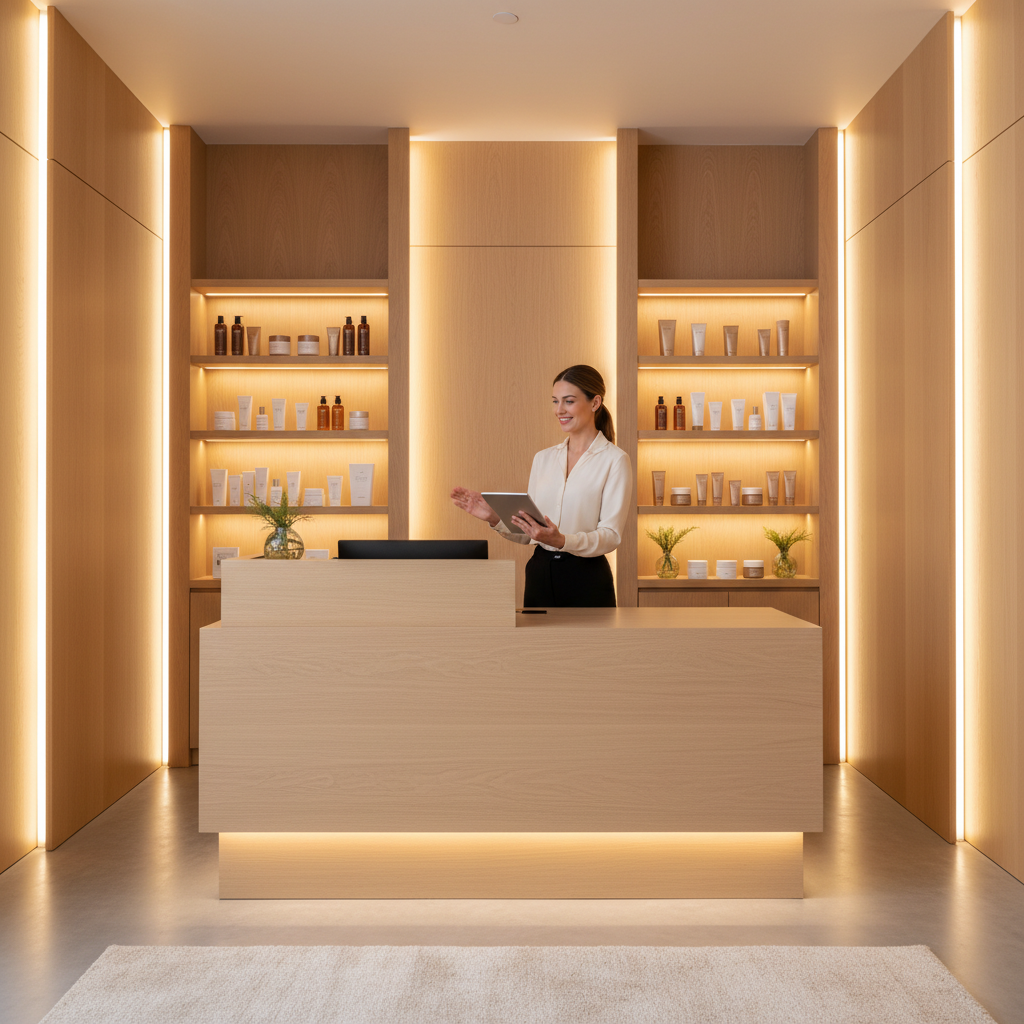
The most critical metric is RevPAT (Revenue Per Available Treatment hour). It measures the real efficiency of your space and staff. A high-performing spa should aim for an average occupancy rate of 65% to 75%.
Retail should represent 20% to 30% of your total revenue. Train your therapists to provide "home care prescriptions" rather than just selling products. This approach can increase the average ticket by 35%.
Employee turnover is a major challenge. Implementing a management d'équipe strategy focused on continuous training and performance-based incentives is crucial for retention.
Modern clients expect seamless booking. Using a software for spa ensures 24/7 availability and reduces manual scheduling errors, which can boost bookings by 20%.
Combining human empathy with data-driven decisions is the key to success. Digital tools are essential to streamline operations and focus on what matters most: your clients' well-being.
Spa
Management
Spa Business Management: The 2024 Expert Guide
M
Manon RobertBusiness Management for Spas and Wellness Centers: The Complete Guide
The wellness sector is experiencing unprecedented growth. In 2023, the global wellness market was estimated at over $5.6 trillion. However, running a successful spa requires more than just great treatments; it requires rigorous financial and operational management.
1. Financial Optimization: Driven by KPIs
The most critical metric is RevPAT (Revenue Per Available Treatment hour). It measures the real efficiency of your space and staff. A high-performing spa should aim for an average occupancy rate of 65% to 75%.
Retail Strategy
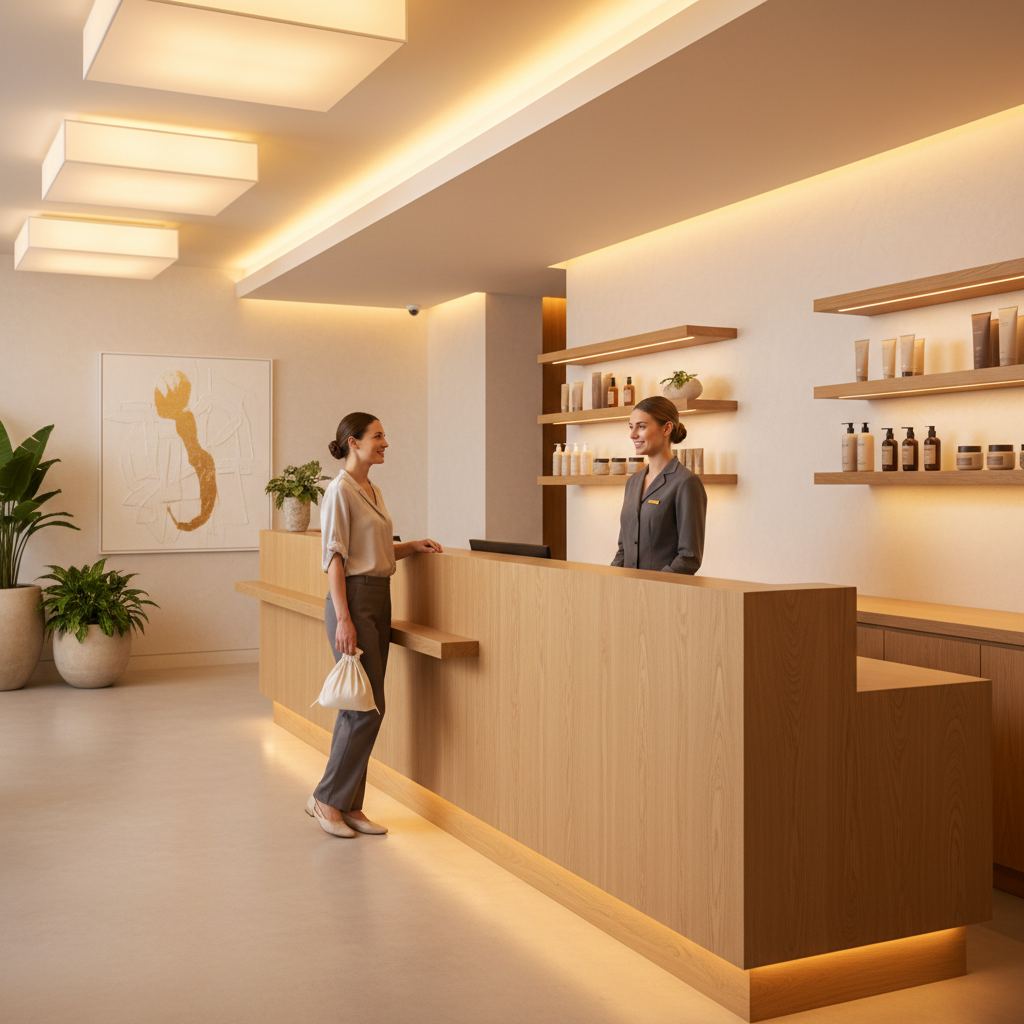
Retail should represent 20% to 30% of your total revenue. Train your therapists to provide "home care prescriptions" rather than just selling products. This approach can increase the average ticket by 35%.
2. Staff Management
Employee turnover is a major challenge. Implementing a management d'équipe strategy focused on continuous training and performance-based incentives is crucial for retention.
3. The Digital Transition
Modern clients expect seamless booking. Using a software for spa ensures 24/7 availability and reduces manual scheduling errors, which can boost bookings by 20%.
Conclusion
Combining human empathy with data-driven decisions is the key to success. Digital tools are essential to streamline operations and focus on what matters most: your clients' well-being.
Ready to transform your business?
Discover how Madyis can help you grow your business.
Discover Madyis