Back to blogApril 17, 202615 min read 
Running a spa involves high fixed costs. The primary KPI to monitor is the treatment room occupancy rate. A healthy spa aims for 65% to 75% occupancy.
Every service must have a precise technical sheet. This includes product costs, direct labor, and a portion of overheads. Calculating your "cost per minute" is essential for setting profitable prices.
The wellness sector faces high turnover. Retaining talent requires more than just a salary. Offering continuous training and performance-based incentives is key. Using a management tool helps streamline communication and schedule management.
70% of bookings now happen outside business hours. Implementing a client booking app is vital to capture this demand and provide a seamless journey.
Retail should represent 20% to 30% of your revenue. Train your staff to provide prescriptions rather than hard sales to boost margins without increasing labor time.
Modern spa management requires agility and the right tools. To optimize your operations, consider exploring specialized spa software to centralize your business management.
Spa
Management
Spa Business Management: The Professional Guide to Success
C
Charlotte BertrandSpa and Wellness Business Management: The Strategic Guide
The global wellness industry reached a value of $5.6 trillion in 2023. In this competitive landscape, technical expertise is no longer enough. Success depends on rigorous business management that balances operational excellence with financial profitability.
1. Profitability and Financial Control
Running a spa involves high fixed costs. The primary KPI to monitor is the treatment room occupancy rate. A healthy spa aims for 65% to 75% occupancy.
Understanding Treatment Costs
Every service must have a precise technical sheet. This includes product costs, direct labor, and a portion of overheads. Calculating your "cost per minute" is essential for setting profitable prices.
2. Staff Management and Retention
The wellness sector faces high turnover. Retaining talent requires more than just a salary. Offering continuous training and performance-based incentives is key. Using a management tool helps streamline communication and schedule management.
3. Enhancing Customer Experience
70% of bookings now happen outside business hours. Implementing a client booking app is vital to capture this demand and provide a seamless journey.
4. Retail and Stock Management
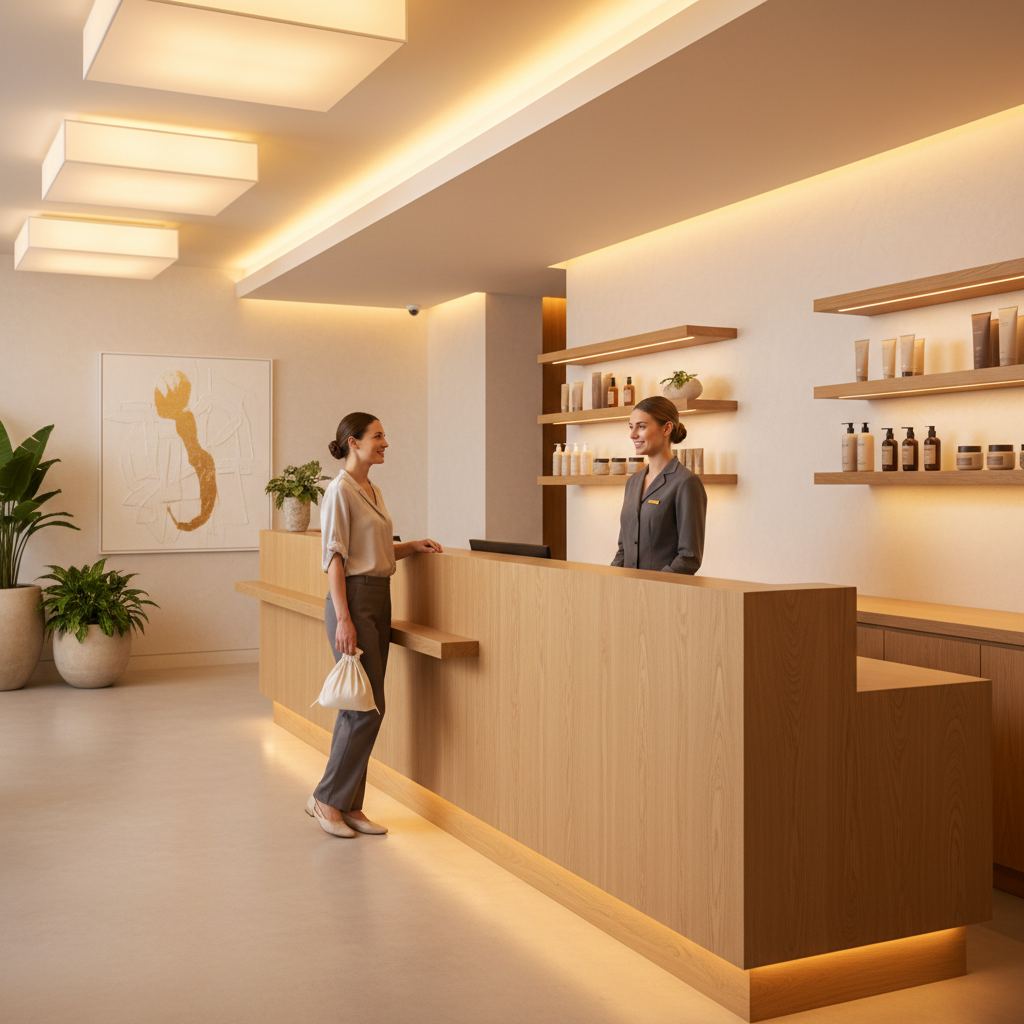
Retail should represent 20% to 30% of your revenue. Train your staff to provide prescriptions rather than hard sales to boost margins without increasing labor time.
Conclusion
Modern spa management requires agility and the right tools. To optimize your operations, consider exploring specialized spa software to centralize your business management.
Ready to transform your business?
Discover how Madyis can help you grow your business.
Discover Madyis