Guest Loyalty in Spas: Expert Guide for Managers
Guest Loyalty in Spas: Strategies for Long-Term Business Success
The wellness sector is experiencing unprecedented growth, but this opportunity comes with increased competition. According to the latest ISPA (International SPA Association) studies, the cost of acquiring a new customer is now 5 to 7 times higher than retaining an existing one. In a saturated market, the ability of an establishment to generate recurring business is the primary lever for profitability.
Loyalty is no longer just about a simple points card. It relies on a deep understanding of modern consumer psychology, seeking personalized experiences and recognition. A loyal guest spends on average 33% more than a new one and forms the stable core of your projected revenue.
1. The Importance of Data in Personalized Guest Experiences
To foster loyalty, you must first know your guest. Data collection is the foundation of any modern strategy. A wellness center must be able to track a visitor's full history: their preferred massage pressure, allergies, favorite products, and birthdays.
Ultra-Personalization: The New Standard
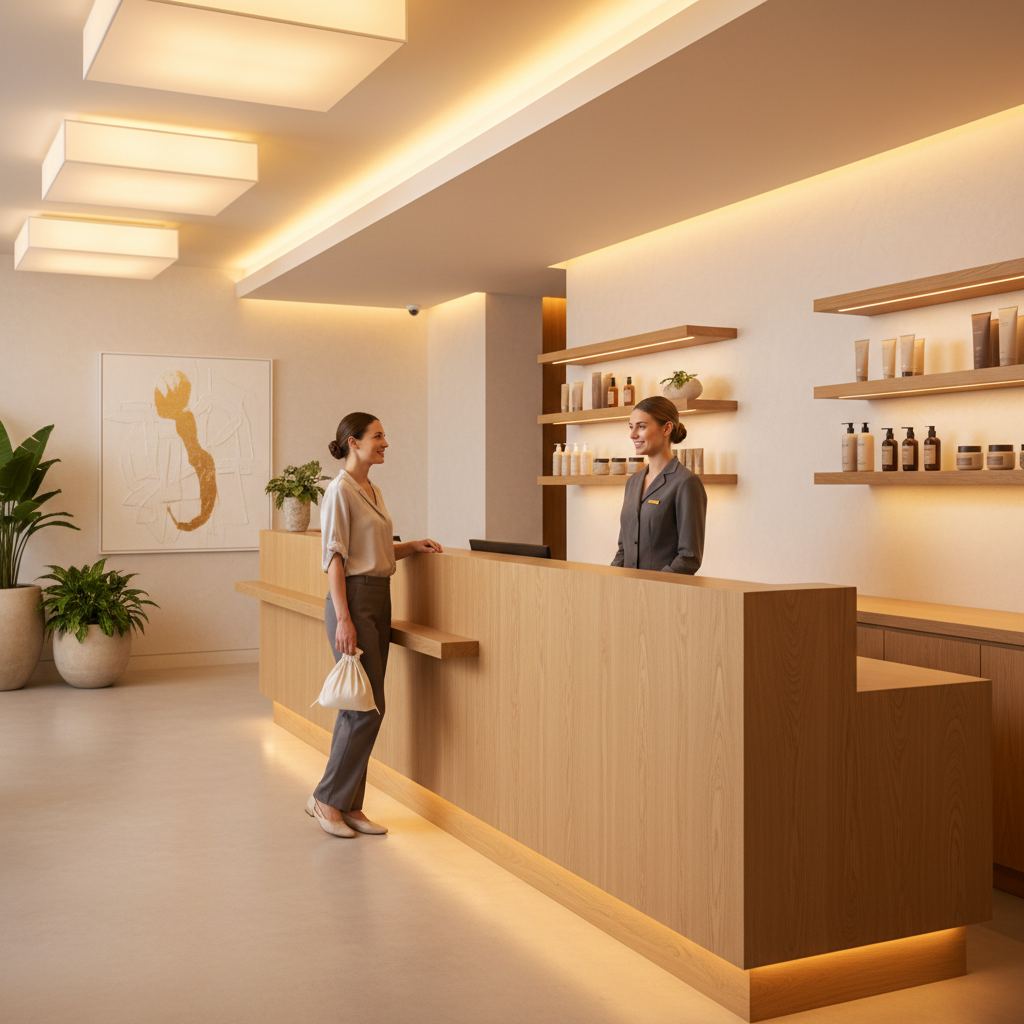
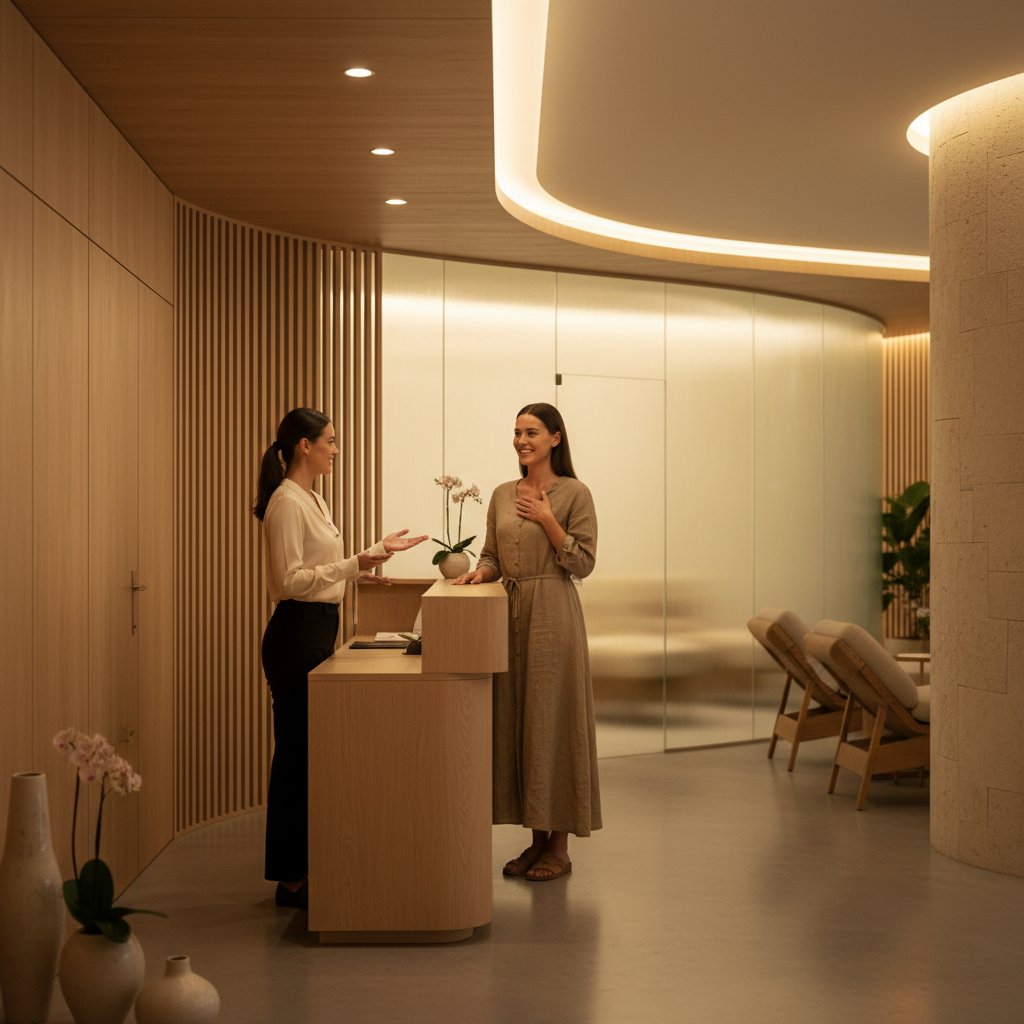
Guests no longer want to be numbers in a schedule. Using a spa software allows you to centralize this information so every team member can offer a bespoke welcome. Imagine a guest's satisfaction when offered their favorite herbal tea upon arrival without asking.
Post-Treatment Follow-up
The relationship doesn't end at the door. Sending a message 48 hours after a service to check on the guest's well-being strengthens the emotional bond. It's also an opportunity to provide home-care advice, turning a one-off treatment into a global health routine.
2. Modern Loyalty Programs Psychology
Classic point systems are fading. Today, guests seek immediate gratification or privileged status. The "Earn & Burn" model must be seamless.
Gamification and Tiered Rewards
Create tiers (Bronze, Silver, Gold) offering not just discounts, but exclusive privileges: priority access to new features, reserved Saturday slots, or treatment upgrades. Gamification encourages the guest to return to reach the next level.
Memberships: Securing Cash Flow
The monthly membership model is becoming popular. By offering one treatment per month at a preferential rate, you guarantee absolute recurrence. Statistics show that spa members consume 40% more retail products than non-members.
3. Optimizing Digital and Physical Customer Journeys
Loyalty starts at booking. If the process is complex, the guest may not return. Technological fluidity is a pillar of satisfaction.
Simplified Online Booking
Offering a customer booking app reduces friction. The guest should be able to book their next relaxation moment in three clicks, at any time of night. Ease of use is a loyalty factor in itself.
4. Team Management at the Service of Retention
Your employees are your primary brand ambassadors. High staff turnover is the enemy of loyalty. Guests often bond with a specific practitioner.
5. Marketing Automation: Staying Top of Mind
Without regular solicitation, the guest forgets you. Automation lets you send the right message at the right time.
6. Key Performance Indicators (KPI) Analysis
You can only improve what you measure. Spa managers must monitor retention rates, visit frequency, and Customer Lifetime Value (CLV).
Conclusion
Spa loyalty is an alchemy of technical excellence and digital tools. The future belongs to those who automate tasks to focus on the human connection. Discovering adapted solutions is the key to modern wellness management.
Ready to transform your business?
Discover how Madyis can help you grow your business.
Discover Madyis