
Spa Management Guide: Practical Tips & Business Strategies
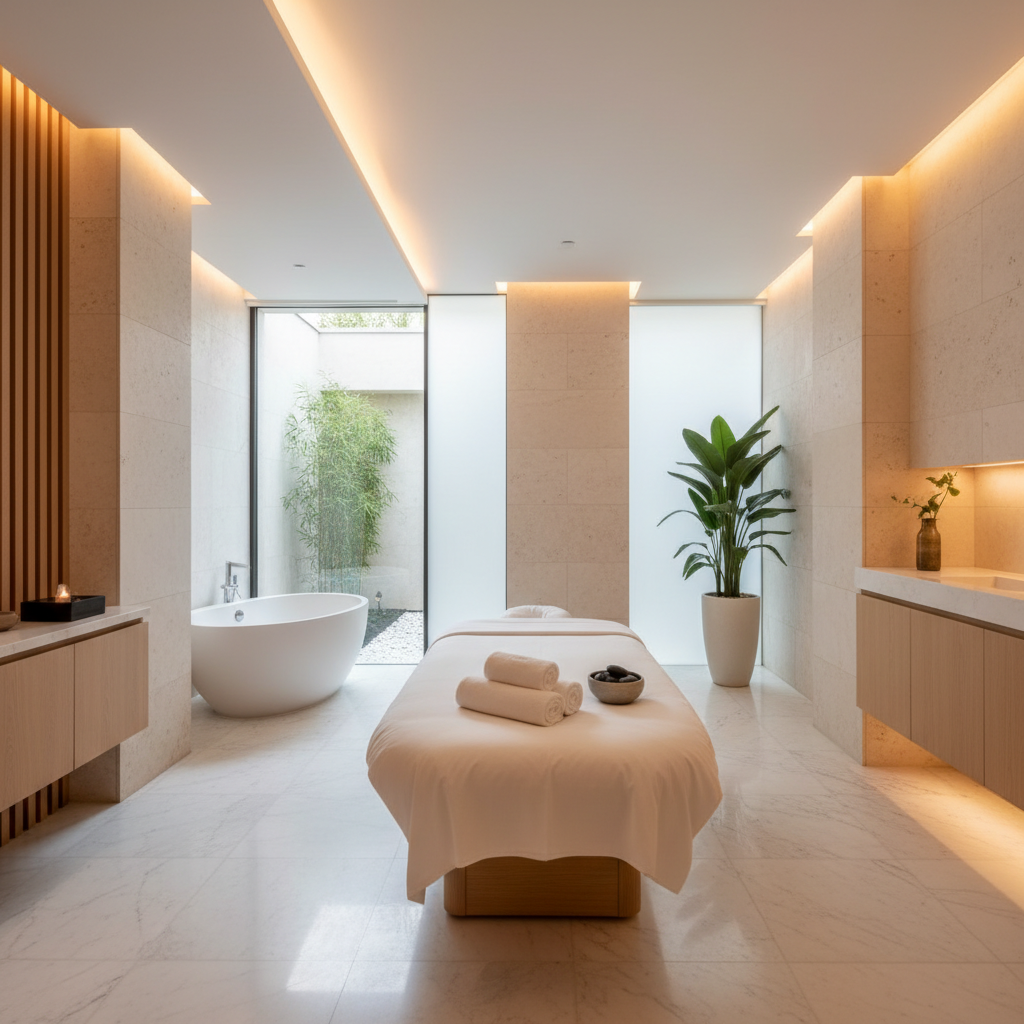
Expert Guide: Optimizing Your Spa and Wellness Center Management
The wellness sector is experiencing unprecedented growth. In 2023, the global wellness economy reached historic highs, with a projected annual growth rate of 12% through 2027. For spa and wellness center owners, this opportunity comes with major structural challenges: labor management, schedule optimization, and retaining increasingly demanding customers.
Success in this industry is no longer limited to excellence in treatments. It's about mastering operational engineering and the digital customer experience. This guide details the strategic levers to transform your establishment into a sustainable profit center.
1. Operational Excellence: Mastering Yield Management
Yield management, or revenue management per available seat, is a common practice in the hotel industry that adapts perfectly to spas. The goal is simple: maximize revenue based on demand and practitioner availability.
Time Slot Optimization
Statistics show that 40% of spa bookings are made outside of opening hours. If your establishment doesn't offer an online client booking application, you're potentially losing a significant share of your revenue.
Dynamic Pricing Strategies
To smooth out activity, impose differentiated rates. "Off-Peak" slots can benefit from discounts or free services to encourage local customers, while weekends should be reserved for high-margin premium packages.
2. Staff Management: Human Capital at the Heart of the Spa
Turnover in the wellness industry reaches 30% in some regions. Recruiting and especially retaining the best talent is your primary profitability challenge. A fulfilled practitioner transmits this positive energy to the client, increasing the repurchase rate by 25%.
Continuous Training
Invest in training for new techniques. A staff management tool can help track certifications and skills. Moreover, versatility reduces downtime. If a masseur is also trained in reception or product sales consulting, you optimize your payroll.
3. Retail Strategy: Increasing Profitability through Product Sales
In a high-performing spa, retail product sales should represent between 20% and 30% of total revenue. However, the sector average often stagnates around 8%. Sales should not be perceived as a forced commercial effort, but as a continuity of the treatment.
4. Digital Marketing and Customer Acquisition
Customer acquisition costs 5 to 25 times more than retention. In the wellness sector, local visibility is crucial. 85% of consumers perform a Google Maps search before choosing a massage center or spa.
5. Stock Management and Cost Analysis
Poor stock management can cut your margin by 5%. Backbar products and retail products must be strictly monitored to avoid stockouts or expiration.
Conclusion: The Future of Wellness is Digital
To stay competitive, intuition is no longer enough. Modern spa success relies on the balance between the art of care and the precision of analytical management. By optimizing your internal processes, you ensure the longevity of your business. Discover adapted solutions to simplify the daily life of beauty professionals.
Ready to transform your business?
Discover how Madyis can help you grow your business.
Discover Madyis