Spa Management: 7 Practical Tips for Profitability
Spa and Wellness: The Ultimate Guide to Optimizing Your Center and Boosting Profitability
The global wellness industry is experiencing exponential growth, now valued at over $4.5 trillion according to the Global Wellness Institute. For spa managers, the challenge is no longer just offering quality massages, but running an agile business focused on customer satisfaction and operational excellence.
1. Redefining Customer Experience
Modern clients don't just come for a treatment; they come for a total disconnect. To turn a one-time visitor into a loyal client, every detail of the journey must be thought out. The experience starts long before the arrival, from the first digital interaction using a client booking app.
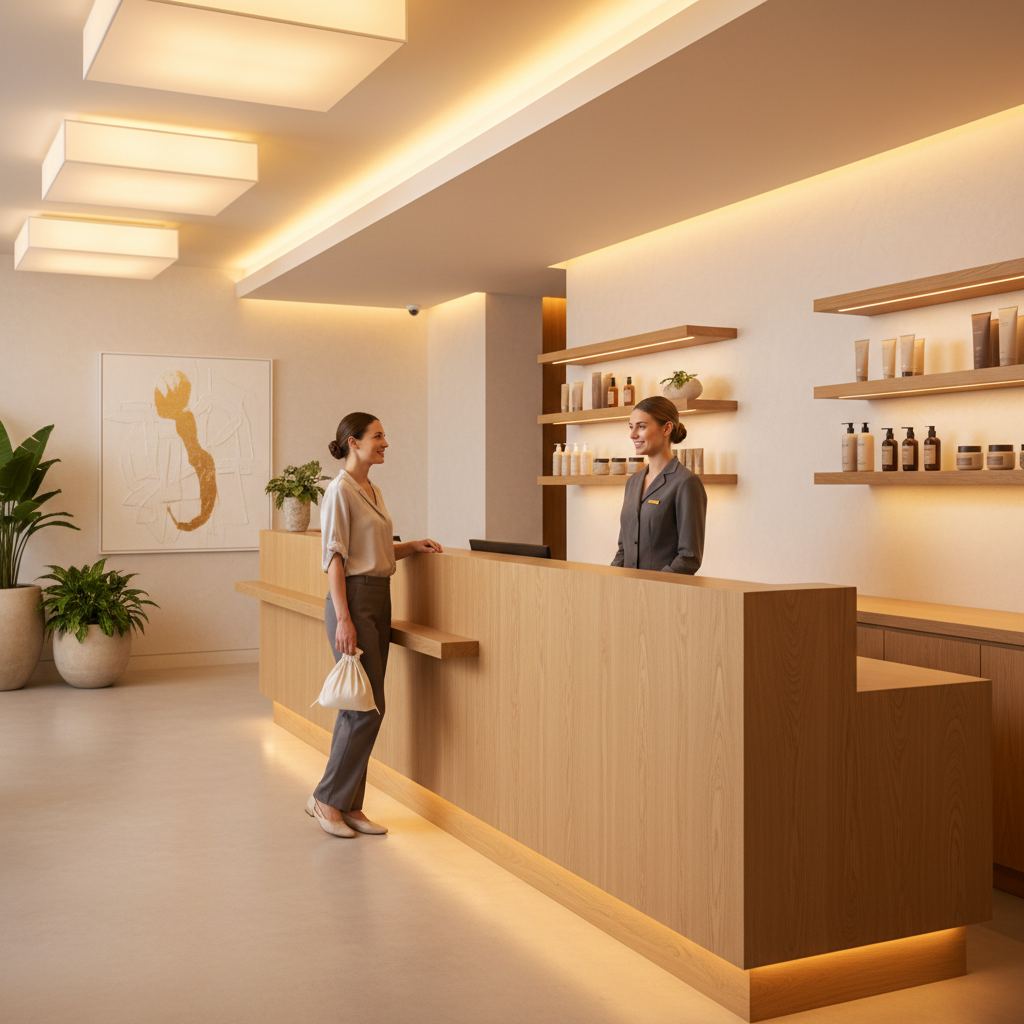
The Art of Welcome
Statistics show that 70% of a customer's perception is formed in the first 5 minutes. Train your staff in impeccable spa etiquette: calm voice, eye contact, and immediate attention. A skin or wellness diagnosis before each service allows not only for personalization but also justifies product recommendations for retail sales.
2. Yield Management for Spas
Yield Management, or dynamic pricing, is a common practice in the hotel industry that fits perfectly in the spa world. The goal is to maximize revenue per available treatment room hour.
Managing Off-Peak Hours
Most wellness centers experience peaks during weekends. To smooth out activity, offer specific "Wellness Happy Hours" on Tuesday or Thursday mornings. Rather than lowering prices, increase perceived value by adding a free service for mid-week bookings.
3. Staff Management and Talent Retention
Turnover is one of the biggest challenges in the beauty industry. Effective staff management is a direct profitability lever. Provide regular training on new techniques and set up a transparent commission system on retail and package sales.
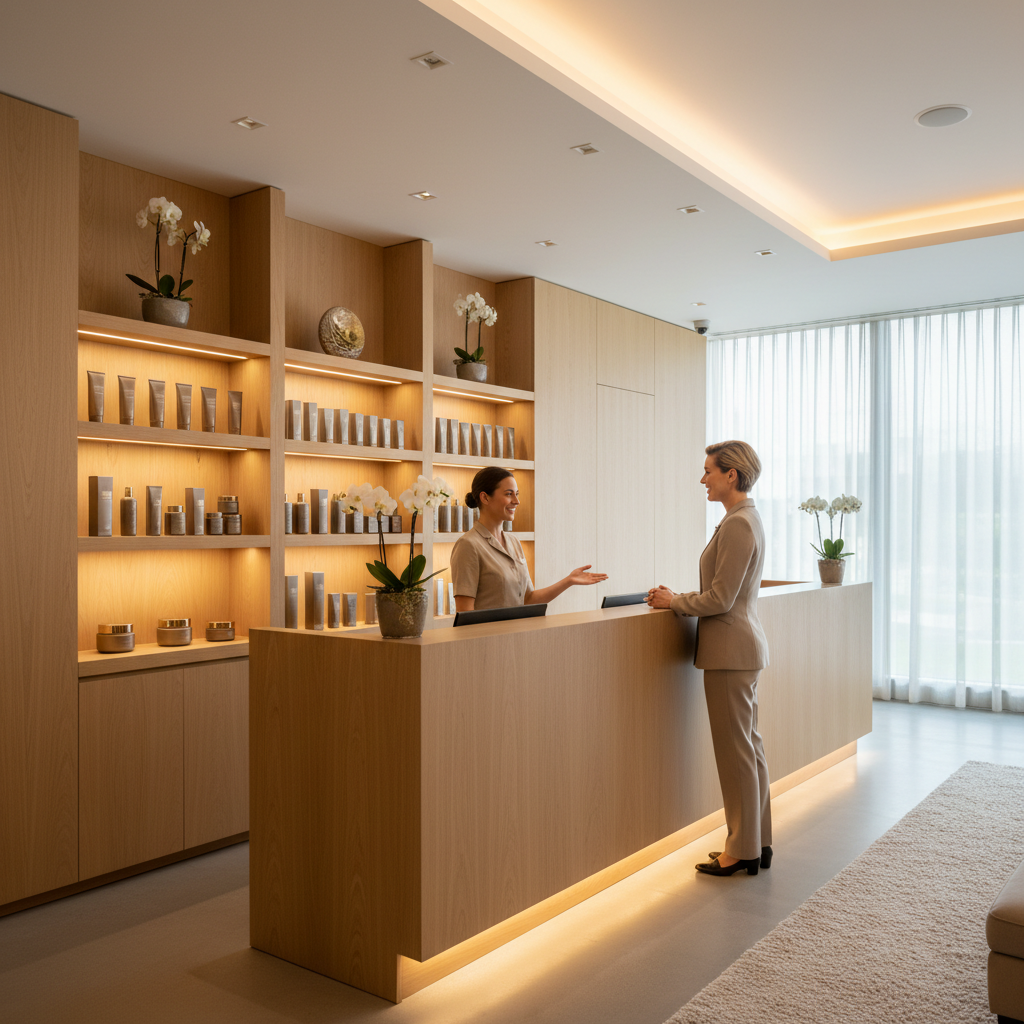
4. Retail Strategy: The Underestimated Growth Lever
In a high-performing spa, product sales should represent between 20% and 30% of total revenue. Practitioners should see themselves as expert prescribers rather than salespeople. Prescription should be an integral part of the treatment protocol.
5. Digital Marketing and Local Visibility
In the digital age, if you're not visible on Google, you don't exist for 85% of potential clients. Keep your Google Business profile updated with high-quality photos and encourage satisfied customers to leave reviews.
6. Data Analysis and Financial Steering
You can't improve what you don't measure. A spa manager must track Key Performance Indicators (KPIs) like treatment room occupancy rate, average basket size, and retail-to-service ratio.
7. Hygiene and Maintenance
Impeccable cleanliness must be a non-negotiable standard. Display your protocols or mention them during the customer journey. Technical maintenance of equipment must be rigorously planned to avoid costly breakdowns.
Conclusion
Managing a modern spa requires a subtle balance between the art of touch and the rigor of optimized business management. By focusing on staff training and customer experience, you ensure the longevity of your establishment. To support this transformation, discover adapted solutions that centralize your operations, such as those provided by Madyis.
Ready to transform your business?
Discover how Madyis can help you grow your business.
Discover Madyis