Spa Management: 7 Practical Tips for Maximum Profitability
How to Optimize Your Spa’s Management and Profitability: The Ultimate Guide
The wellness sector is undergoing unprecedented growth. In 2023, the global wellness market was valued at over $5.6 trillion, with an annual growth projection of 12% through 2027. However, this opportunity comes with increased competition and rising operational costs. For wellness center managers, the challenge is no longer just providing quality treatments, but running a business with surgical precision.
Spa profitability relies on a delicate balance between room occupancy rates, human resource management, and optimizing upsells. According to International SPA Association (ISPA) data, average revenue per visit increased by 11% last year, highlighting the importance of a well-structured pricing and service strategy.
1. Mastering Yield Management for Wellness
Yield Management, or dynamic pricing, is a common practice in the hotel industry that adapts perfectly to wellness centers. The goal is simple: sell the right treatment to the right customer at the right time for the best price.
Adjusting Prices Based on Demand
An empty treatment room represents an unrecoverable loss. To counter this, identify your off-peak hours (usually weekday mornings) and offer specific promotions. Conversely, apply premium rates or stricter booking conditions for high-traffic slots like Saturday afternoons.
The Importance of Treatment Duration
Analyze the time/profitability ratio of each service. A 60-minute massage might be less profitable than a 45-minute facial when considering product costs and setup time. Using a dedicated spa management solution allows you to track these indicators in real-time to adjust your service menu.
2. Optimizing Customer Experience and the Sensory Journey
The experience begins long before the client enters the water. In an ultra-connected world, the first interaction is often digital.
Seamless Booking Journey
82% of beauty industry clients prefer booking appointments via their smartphones. A complex or non-mobile-optimized booking funnel can lead to an abandonment rate of over 40%. Implementing an intuitive customer booking app has become an essential service standard to ensure a seamless experience.
Atmosphere and Olfactory Branding
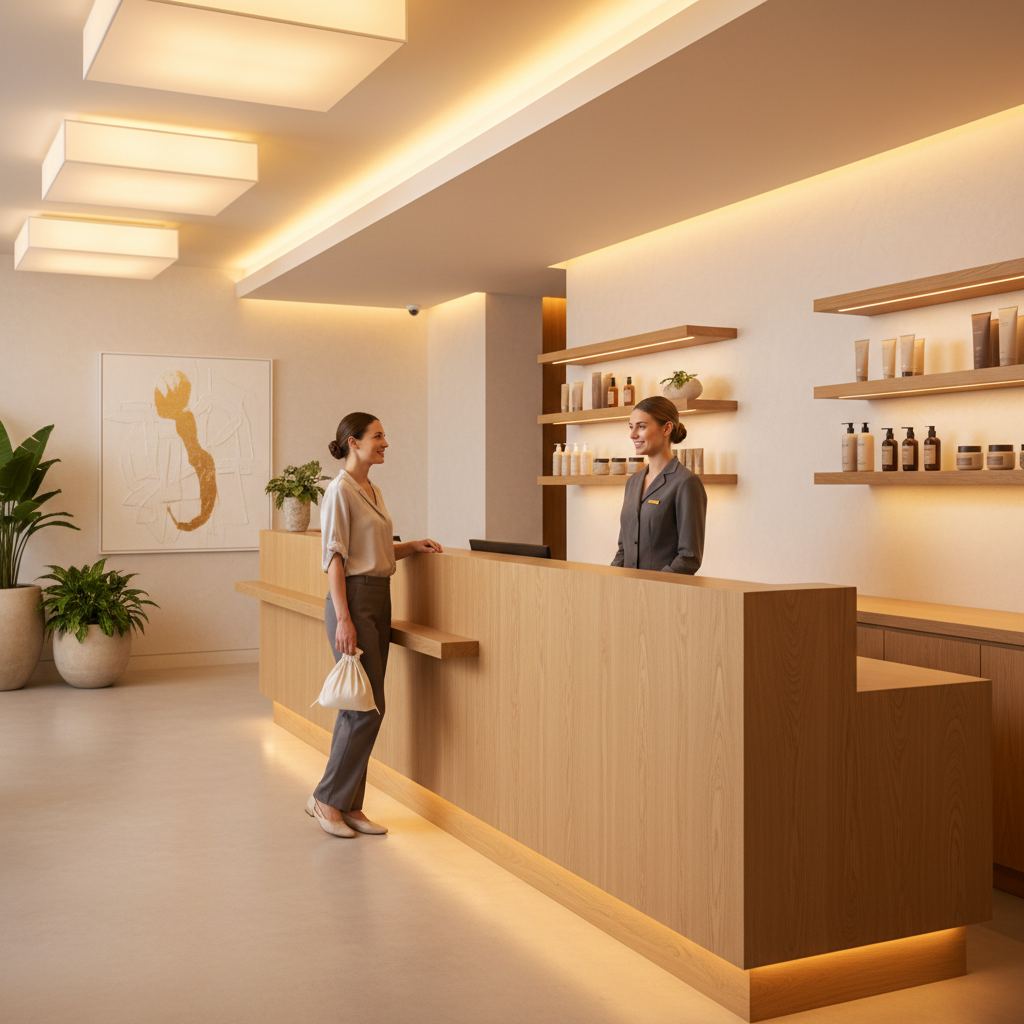
From the moment they enter, every detail counts. Temperature should be maintained between 22 and 24 degrees Celsius, and a signature scent unique to your establishment allows for immediate brand recall. Staff must be trained in a standardized greeting protocol that includes showing the facilities and offering a detox drink.
3. Upselling and Cross-selling Strategies
Retail sales should ideally represent between 15% and 25% of your total revenue. Yet, many spas plateau at 5%.
Post-Treatment Recommendation
The therapist is seen as an expert. At the end of a treatment, it is crucial to spend 5 minutes on a beauty prescription. Explain to the client how to extend the effects of the treatment at home with specific products. The language should be that of advice, not a hard sell.
Bundling and Course Sales
Offer courses of treatments rather than isolated sessions. Not only does this guarantee better results for the client, but it also secures your cash flow and booking diary for several months.
4. Team Management and Retention
Staff turnover in the wellness sector can reach 30% annually. The cost of replacing a team member is estimated at about 3 months' salary.
Continuous Training and Recognition
Involve your therapists in the choice of brands and protocols. Organize regular training sessions not only on massage techniques but also on soft skills and sales techniques. An invested employee will be a better ambassador for your center.
Schedule Management
Poor break management and overwork inevitably lead to burnout. Use intelligent scheduling tools that respect the recovery times needed between two deep-tissue massages to preserve the physical health of your staff.
5. Digital Marketing and Local Presence
Local SEO is the most powerful lever for attracting new clients.
Google Business Profile and Reviews
Optimize your Google profile with high-quality photos and respond to ALL reviews. Establishments with a rating above 4.5 and more than 100 reviews see a 25% increase in calls.
6. Data Analysis and Financial KPIs
Key Performance Indicators (KPIs) should be tracked weekly.
7. The Importance of Digitalization
Digital transformation is no longer an option. Automating administrative tasks saves up to 10 hours of manual work per week per manager, freeing up time for what matters most: client and team support.
In conclusion, spa success in 2024 lies in the harmony between operational excellence and technological innovation. By adopting a strategy centered on data and human experience, you ensure your establishment's growth. To optimize these processes, it is often wise to explore global digital solutions tailored to the specific needs of wellness professionals.
Ready to transform your business?
Discover how Madyis can help you grow your business.
Discover Madyis