Spa Management: 7 Practical Tips for Higher Profitability

Practical Tips for Optimizing Spa Management and Profitability
The wellness industry is experiencing unprecedented growth. In 2023, the global wellness market was valued at over $5.6 trillion, with an annual growth projection of 12% through 2027. For spa and wellness center owners, this opportunity comes with major structural challenges: staff management, schedule optimization, customer loyalty, and operational cost control.
Succeeding in this sector requires more than technical expertise. It involves steering a complex business where every detail influences the net margin. This comprehensive guide explores the strategic levers to transform your establishment into a high-performing profit center.
1. Customer Journey Optimization: From Booking to Post-Treatment
The customer experience begins long before arriving at the spa. Today, 72% of consumers prefer to book their treatments outside of business hours. Implementing a seamless client booking application has become an essential quality standard to reduce drop-off rates during the booking process.
Personalized Welcome
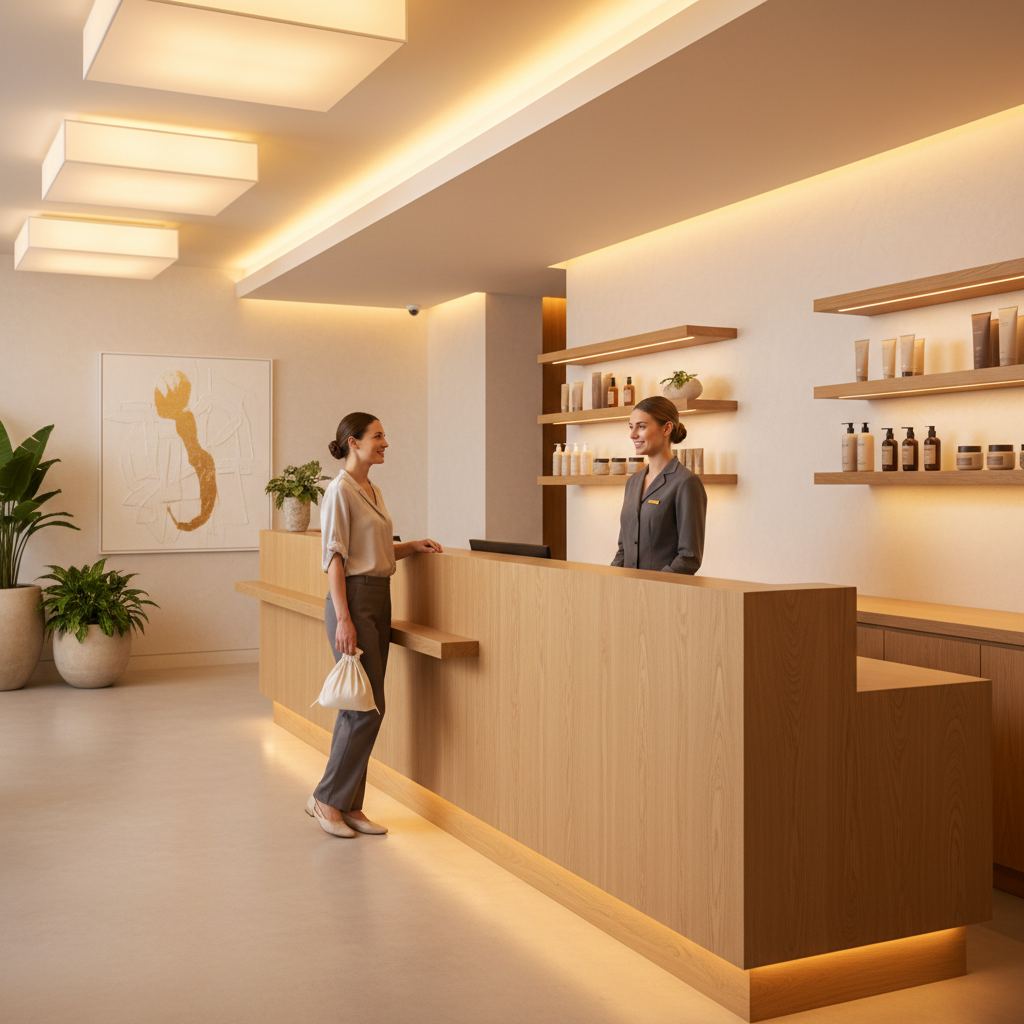
From the moment they enter, the client must feel uniquely cared for. Using detailed digital client files allows your practitioners to know preferences (oil temperature, tension zones, allergies) even before the treatment begins. This anticipation creates a "wow" effect that justifies premium pricing.
The Departure Ritual
Spa profitability largely depends on retail sales. A best practice is to dedicate the last 5 minutes of the treatment to a personalized recommendation. Statistically, a client who purchases a product after their treatment is 60% more likely to return within three months.
2. Yield Management Strategies Applied to Wellness
Yield Management, or dynamic pricing, involves adjusting prices based on demand. For a spa, the goal is to maximize cabin occupancy, your most perishable resource.
Managing Off-Peak Hours
Tuesday mornings are often quieter than Saturday afternoons. Instead of enduring these dead times, offer specific "Mid-week" deals including low-cost but high-perceived-value services, such as sauna access or a complimentary detox drink.
Dynamic Pricing
Identify your core treatments and niche treatments. Core treatments (Swedish massages, classic facials) should have stable and competitive pricing. Niche treatments, requiring rare expertise or expensive equipment, allow for higher margins. A detailed analysis of your spa software will help you identify these profitable segments.
3. Talent Management and Retention
Turnover in the wellness sector can reach 30% per year. The cost of replacing an experienced practitioner is estimated at three times their monthly salary (recruitment, training, loss of clientele attached to the practitioner).
Continuous Training
Investing in staff training is not an expense but an investment. A practitioner trained in the latest lymphatic drainage or maderotherapy techniques is a major marketing asset. This empowers the employee and allows for higher service pricing.
Incentive Systems
Implement clear Key Performance Indicators (KPIs): rebooking rates, course sales, and customer reviews. A bonus system based on these results motivates teams to get involved in the commercial development of the establishment without degrading quality.
4. Cost Analysis and Inventory Management
Poor management of consumables can reduce your margin by 5 to 10%. In a spa, every milliliter of oil or serum counts.
Automated Inventory
Human error in manual inventory is common. Use tools that automatically deduct stock based on the treatment protocols performed. This not only prevents shortages but also detects potential waste or theft.
Supplier Negotiation
Consolidate your purchases to benefit from volume discounts. Try to limit the number of partner brands (2 or 3 maximum) to become a strategic client for them, which facilitates obtaining free testers and marketing support.
5. Digital Marketing and Local Acquisition
Your spa must be visible where your clients look: on Google and social media. 85% of searches for a spa include a local dimension (e.g., "Spa London").
Local SEO
Optimize your Google Business Profile with high-definition photos, systematic responses to reviews, and a keyword-rich description. Regular social media posts showing behind-the-scenes and technical expertise build trust.
Loyalty Emailing
Acquiring a new customer costs 5 to 7 times more than retaining an existing one. Send targeted campaigns for birthdays or after a 3-month period of inactivity. Offer exclusive deals rather than systematic discounts to preserve brand image.
6. The Importance of Data in Decision Making
Managing by instinct is a common mistake. Hard data provides an objective view of your business's health.
Tracking Average Basket
If your average basket stagnates despite a rise in attendance, your cross-selling strategy needs review. Analyze which type of treatment generates the most complementary product sales.
Cabin Occupancy Rate
A profitable spa aims for a 75% occupancy rate during opening hours. If you exceed 90%, it's time to consider expansion or a price increase. Below 50%, your marketing strategy or location should be questioned.
7. Towards Smart Digitalization
Technology should not replace humans in wellness; it should free them from time-consuming tasks. By automating appointment management, SMS reminders, and billing, you allow your staff to focus on what they do best: taking care of others.
In conclusion, spa success relies on a delicate balance between operational excellence, rigorous human management, and sharp marketing strategy. By adopting these practical tips and equipping yourself with adapted management solutions, you will sustain your activity in an increasingly competitive market.
To go further in optimizing your establishment, it is advisable to discover solutions adapted to the specific needs of wellness professionals.
Ready to transform your business?
Discover how Madyis can help you grow your business.
Discover Madyis