Spa Management: 7 Expert Tips for Better Profitability
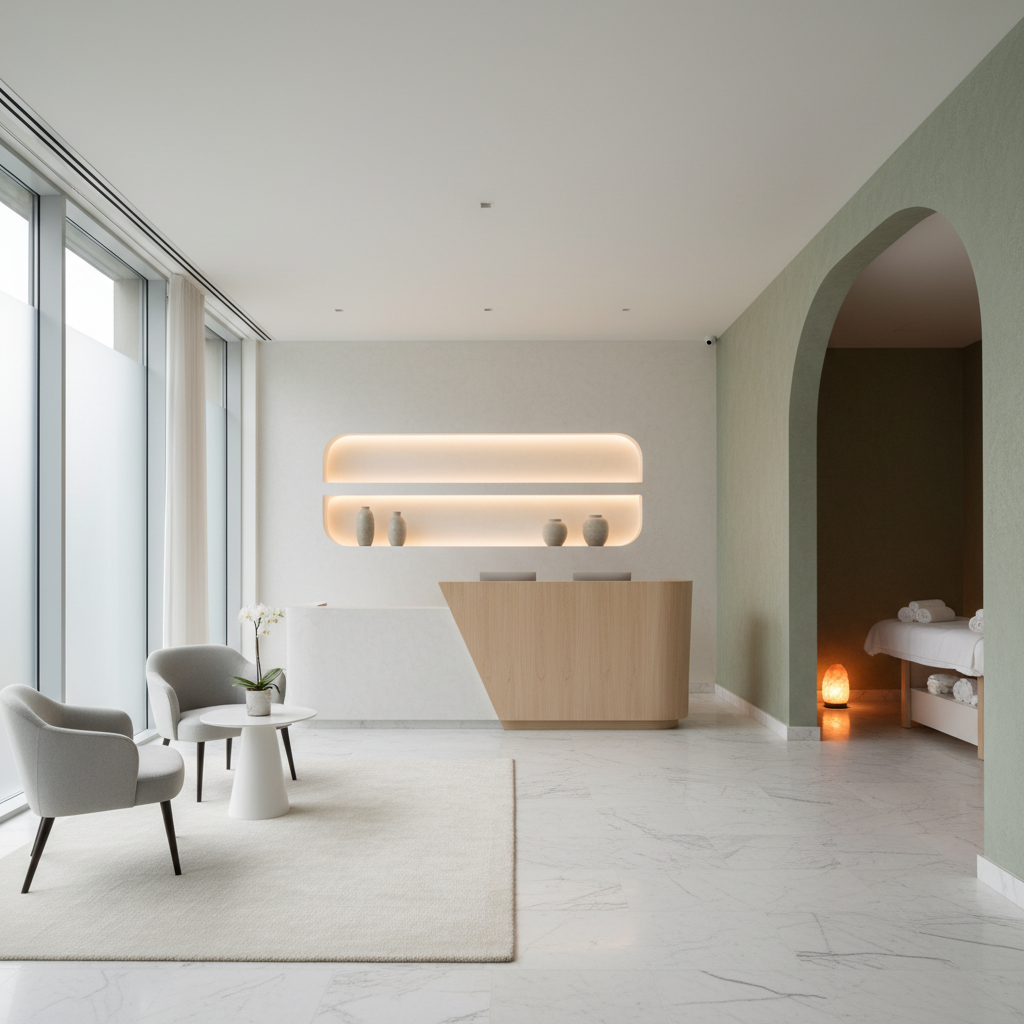
How to Optimize Your Spa Management: A Complete Guide for Professionals
The wellness industry is experiencing unprecedented growth. According to recent Global Wellness Institute reports, the global wellness economy is projected to grow by 9.9% annually. For spa and wellness center managers, this opportunity comes with major structural challenges: recruitment, customer loyalty, and operational cost optimization.
In a market where customer experience takes precedence over the service itself, a facility's ability to modernize defines its longevity. This guide explores the fundamental pillars for transforming a treatment center into a highly profitable and efficient business.
1. Professional Expertise: Recruitment and Continuous Training
Human capital is the primary value driver of a spa. A sectoral study shows that 70% of customer satisfaction depends directly on interaction with the practitioner. The current challenge lies in the shortage of qualified labor.
Valuing Team Versatility
To maintain a high occupancy rate, your employees must master several protocols. A practitioner capable of alternating between Swedish massages, high-performance facials, and body rituals allows for essential flexibility during peak booking periods. Investing in continuous training is not an expense, but a strategic investment that reduces turnover.
Company Culture and Employee Well-being
A fulfilled employee transmits this positive energy to the client. Implementing structured staff management helps balance schedules and avoid burnout, which is common in the care professions. Intelligent task rotation and including practitioners in the choice of new product ranges strengthen their sense of belonging.
2. Optimizing the Customer Journey: From Booking to Post-Treatment
The wellness experience begins long before the client steps through the institute's door. It starts on their smartphone. Today, 65% of treatment bookings are made outside of opening hours.
Digital Fluidity
Providing an intuitive interface is crucial. The modern client no longer wants to wait on the phone. An online booking solution must be clear, display real-time availability, and allow for pre-payment or a deposit to limit no-shows, which can represent up to a 15% annual revenue loss.
Sensory Welcome
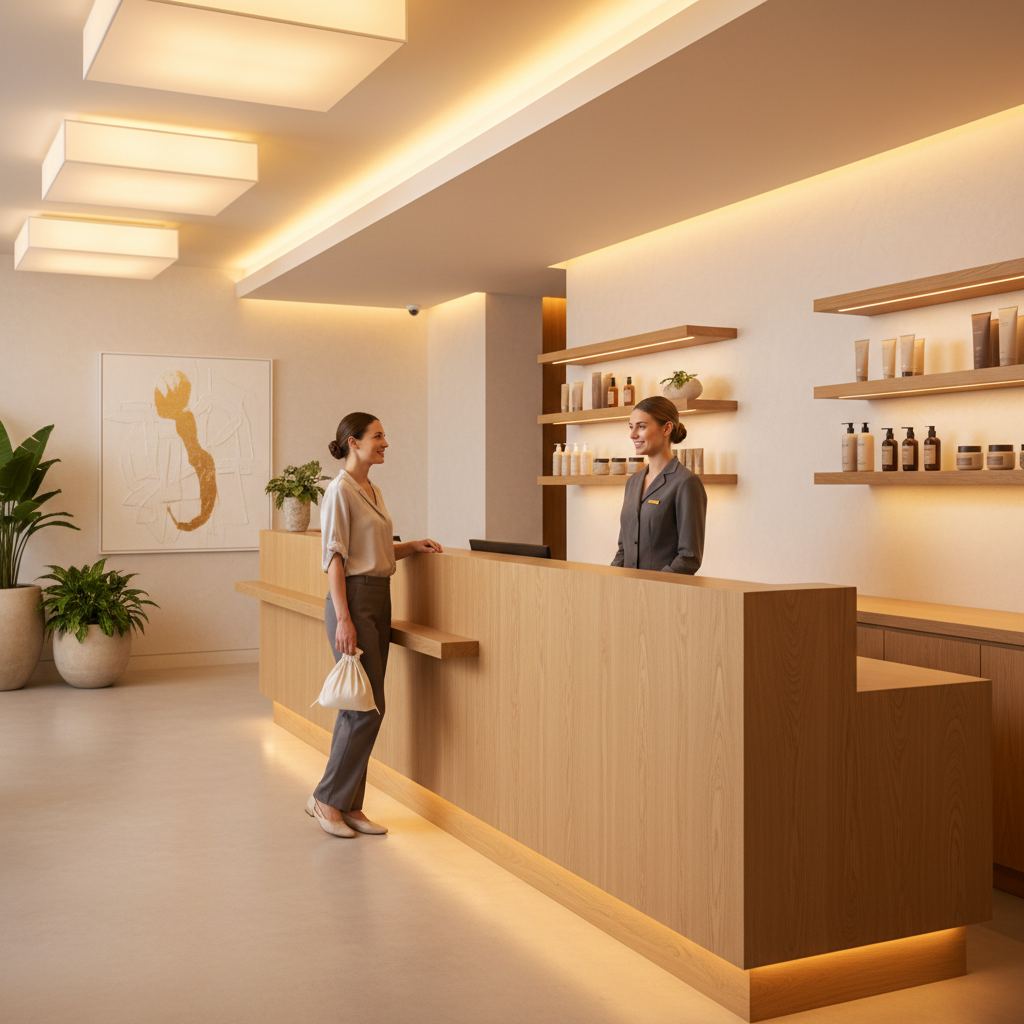
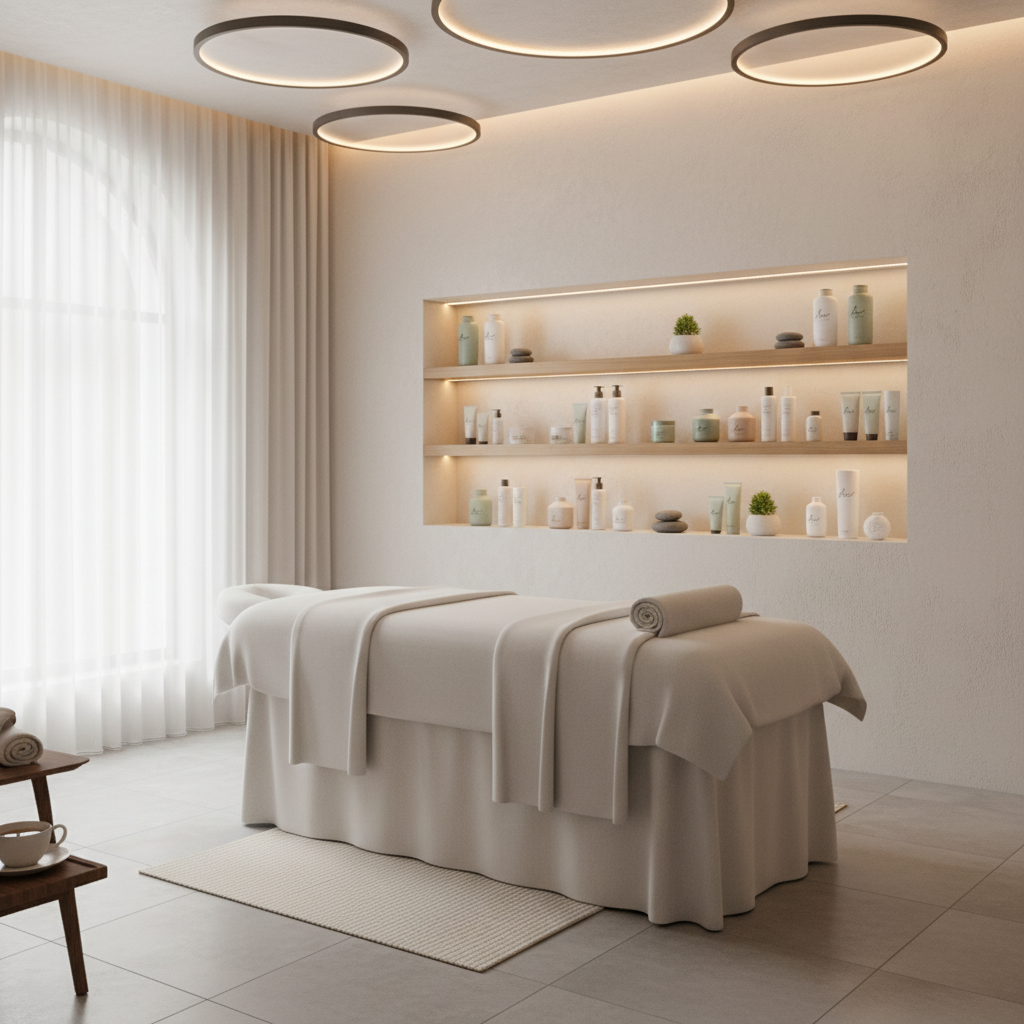
From the entrance, the olfactory, sound, and visual atmosphere must be consistent. The journey must be fluid: locker room, relaxation area, treatment room. Every transition is an opportunity to reassure the client and immerse them in your brand universe.
3. Yield Management Strategies Applied to Wellness
The concept of Yield Management, born in the airline industry, adapts perfectly to the spa sector. The goal is to sell the right treatment to the right customer at the right time and the best price.
Off-Peak Hour Management
Instead of suffering through quiet weekday mornings, offer specific deals: "Serenity Mornings" with a preferential rate or an included service (hammam access, detox drink). This helps smooth out activity and cover fixed costs.
Profitability Analysis per Cabin
Every square foot of your spa must be analyzed. If one treatment room produces half the revenue of another, it's time to review the treatment menu or the layout of the space. A high-performance spa software will give you these key performance indicators (KPIs) instantly to make decisions based on real data.
4. Upselling and Retail: The Hidden Growth Lever
Retail product sales should ideally represent between 20% and 30% of a spa's total turnover. Yet, many establishments stagnate at less than 10%.
Prescription Over Sales
The practitioner should not be seen as a salesperson, but as a prescribing expert. At the end of the treatment, the personalized beauty prescription is the essential tool. It explains to the client how to extend the benefits of the treatment at home.
Product Merchandising
Merchandising plays a key role. Products should be accessible, testable, and presented in an enhancing environment. Use dynamic screens or clear advice sheets explaining the benefits of active ingredients.
5. Loyalty and Relationship Marketing
Acquiring a new customer costs 5 to 7 times more than retaining an existing one. The customer database is your most valuable asset.
Database Segmentation
Do not communicate in the same way with a loyal customer who comes every month and a passing customer. Use automated marketing to send personalized messages: birthdays, follow-ups after 3 months of absence, or exclusive promotions on their favorite service.
Innovative Loyalty Programs
Move beyond the simple "10 treatments bought = 1 free" card. Create VIP statuses (Bronze, Silver, Gold) offering intangible benefits: priority access to new products, invitations to private evenings, or a free high-tech skin diagnosis.
6. Cost Control and Inventory Management
A spa consumes a large amount of consumables (oils, examination sheets, cosmetics). Poor stock management can cut your margin by 3% to 5%.
Real-Time Inventory
Using automated systems to count products used during each treatment avoids stockouts and overstocking. This also helps detect potential waste or theft.
Supplier Negotiation
Group your purchases and negotiate annual contracts with your partner brands. In exchange for exclusivity or a guaranteed volume, ask for marketing support or free training for your team.
7. Hygiene and Standards: A Non-Negotiable Standard
Since the health crisis, customer requirements for hygiene have multiplied. Cleanliness is no longer a bonus; it's an emotional prerequisite for relaxation.
Visible Protocols
Communicate your disinfection protocols. Seeing a practitioner disinfect their hands and equipment in front of you is reassuring. Certification can also be a major asset in reassuring high-end clientele.
Equipment Maintenance
A broken sauna or a lukewarm jacuzzi ruins the customer experience and generates immediate negative reviews. Implement a rigorous maintenance log for each technical piece of equipment to anticipate breakdowns.
Conclusion: Towards Balanced Digitalization
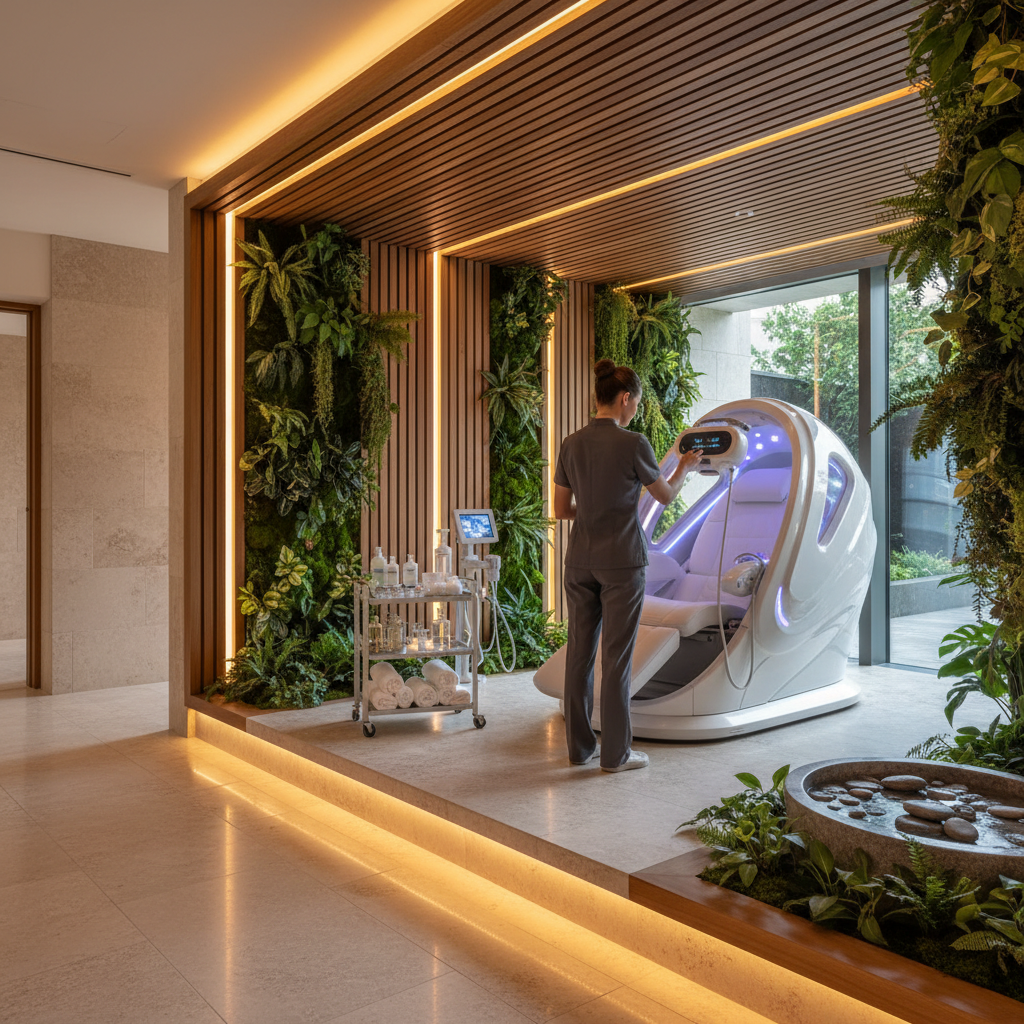
The future of the spa lies in the perfect balance between human expertise ("high touch") and technological performance ("high tech"). By automating time-consuming administrative tasks, you free up time for what really matters: the attention given to the client. To sustainably transform your establishment, it's essential to rely on modern management tools. Learning to digitalize your activity is the first step towards peaceful growth. To optimize your daily operations, feel free to discover adapted solutions that will allow you to focus on your passion: the well-being of your clients.
Ready to transform your business?
Discover how Madyis can help you grow your business.
Discover Madyis