Spa Management Tips: How to Scale Your Wellness Business

Expert Guide: Optimizing Management and Profitability for Wellness Centers
The wellness industry is booming. According to the Global Wellness Institute, the global wellness economy is projected to reach $7 trillion by 2025. For spa and institute managers, this dynamic represents an immense opportunity, but also a significant challenge in terms of competition and operational excellence.
Success in this sector is no longer just about offering quality massages. It requires a strategic vision, rigorous human resource management, and perfect mastery of both the digital and physical customer experience. This guide explores the fundamental pillars of transforming a treatment center into a sustainable and highly profitable business.
1. The Customer Experience: Beyond Physical Treatment
The customer journey starts long before the person walks through your door. In a hyper-connected world, the first interaction is often digital.
Seamless Booking Journey
Immediacy has become the norm. A client wishing to book a treatment at 10 PM shouldn't have to wait for the next morning's opening. Integrating a client booking app captures this instant demand, reducing abandonment rates by an average of 30%.
Atmosphere and Sensory Welcome
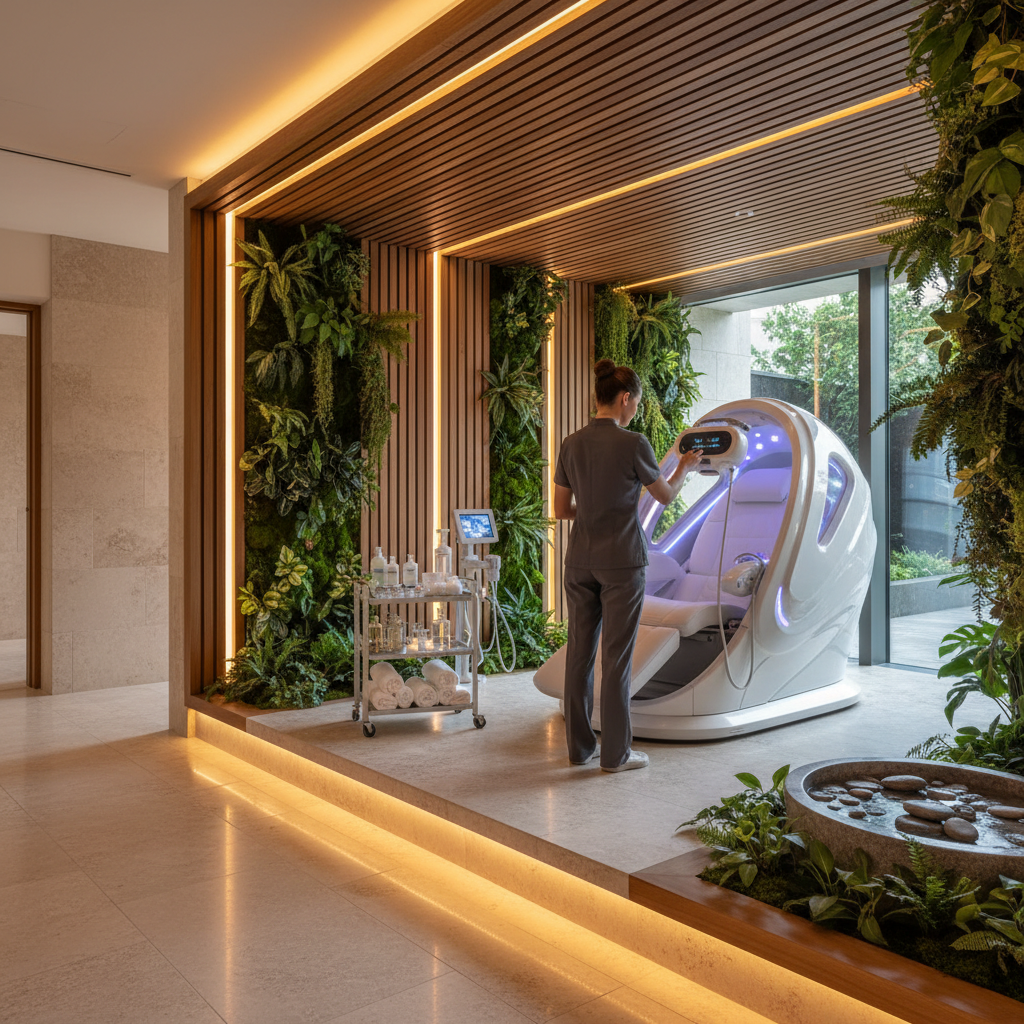
Once on-site, every detail matters. Sensory marketing is a powerful lever: your spa's signature scent, dim lighting, and cabin temperature must be consistent. A relaxed client is one who consumes more additional products at the end of the session.
2. Operational Optimization and Staff Management
Staff is the largest expense item, but also your greatest added value. Schedule management is often the headache of spa managers.
Stabilizing Occupancy Rates
The main challenge is filling off-peak hours. Use historical data to identify low-traffic periods and offer targeted deals (e.g., "Serenity Mornings" on Tuesdays). Good staff management allows for adjusting personnel based on actual demand, avoiding stressful understaffing or costly overstaffing.
Training and Talent Retention
Turnover in the wellness sector is high (around 25-30%). To retain your practitioners, invest in their continuous training, not only in treatment techniques but also in consultative selling. A valued employee will transmit this positive energy to clients.
3. Upselling and Cross-selling Strategies
Spa profitability doesn't just rely on service prices, but on the average basket.
Post-Treatment Recommendation
A cabin treatment should never end without a personalized beauty prescription. If a client received a moisturizing treatment, it makes sense to offer them the serum used during the session. Statistics show that 60% of clients are ready to buy a product recommended by their expert if it meets a specific need identified during the treatment.
Creating High-Value Packages
Rather than selling individual treatments, structure courses of 5 or 10 sessions. This ensures immediate cash flow and long-term loyalty. Your service packaging must tell a story: don't sell a massage, sell a "3-hour Detox Escape."
4. Data Analysis and Financial KPIs
You can only manage what you measure. Top-performing spa managers monitor three key indicators daily:
5. Digital Marketing and Local Visibility
Local SEO is the engine of your growth. A spa that doesn't appear on Google Maps with positive reviews is invisible to 80% of local prospects.
Visual Content Power
Wellness is an image-driven industry. Invest in professional photos. Post "behind-the-scenes" videos on Instagram and TikTok to humanize your brand.
Conclusion: The Future of Wellness is Digital
To stay competitive in 2024, technical excellence is no longer enough. Digitalization is essential to free up time for practitioners and focus on the human element. Discover adapted solutions to boost your growth on madyis.com.
Ready to transform your business?
Discover how Madyis can help you grow your business.
Discover Madyis