2024 Beauty Trends: The Ultimate Guide for Professionals
Beauty Sector Trends: Analysis and Growth Strategies
The beauty and wellness industry is undergoing an unprecedented period of transformation. In 2023, the global beauty market generated approximately $570 billion, with projections indicating steady annual growth of 4% to 6% through 2027. This momentum is driven not just by product consumption, but by a profound shift in client expectations within physical establishments.
Today's professionals must balance technical excellence with a perfect mastery of new management tools. To remain competitive, understanding market dynamics is no longer an option; it is a vital necessity for your business's longevity. This guide explores strategic levers to turn these changes into growth opportunities.
1. Extreme Personalization: The Era of Tailor-Made
Personalization has moved from a luxury service to a standard expectation. According to a McKinsey study, 71% of consumers expect personalized interactions, and 76% get frustrated when they don't receive them. For an institute or salon, this means going beyond simply greeting a client by name.
Advanced Diagnostic Analysis
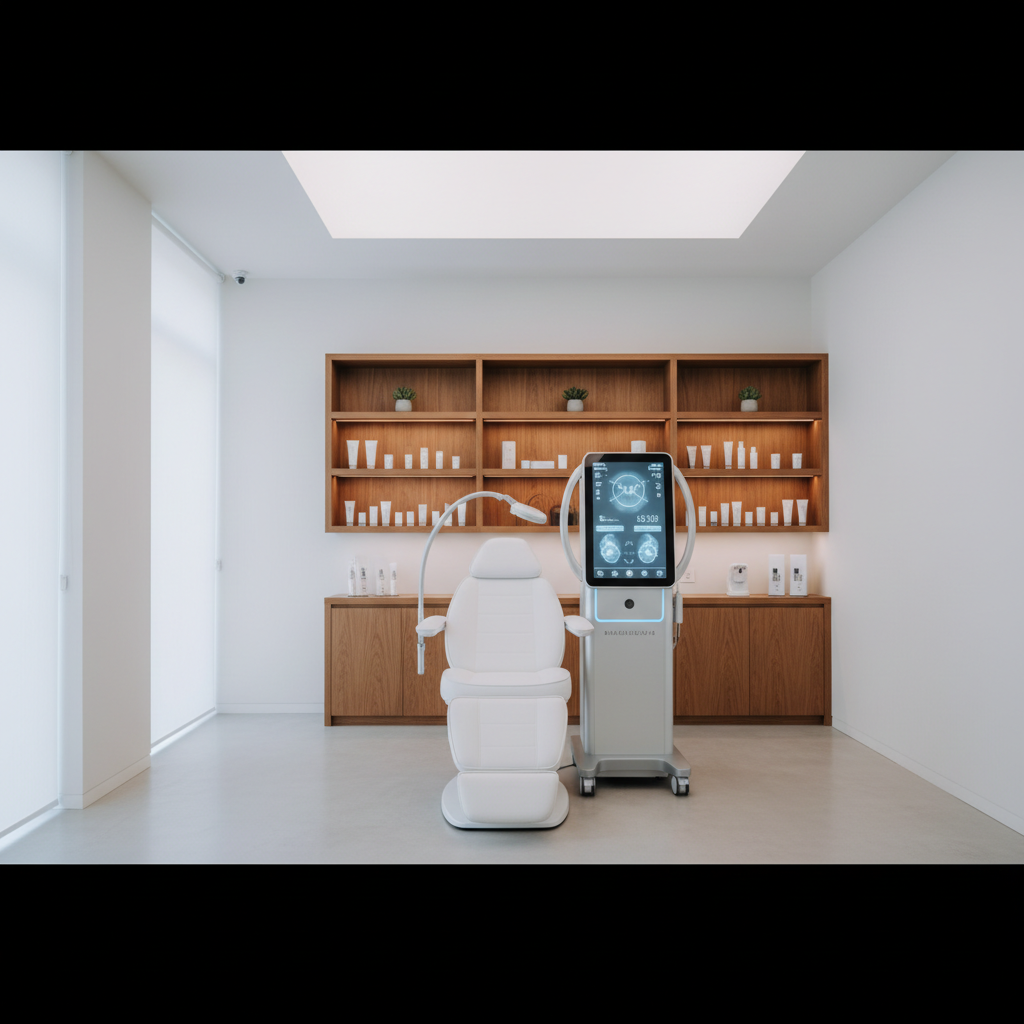
Using skin or scalp diagnostic tools powered by artificial intelligence allows for scientific expertise. These tools reassure the client about the relevance of the proposed treatment. Accurate diagnosis increases the conversion rate of additional product sales (retail) by nearly 30%.
Client History as a Loyalty Lever
Data is the new oil. Knowing allergies, massage pressure preferences, or the exact color mix from previous visits creates a sense of belonging. A modern client booking application allows you to centralize this information so every team member can provide a consistent experience, regardless of the practitioner.
2. Clean Beauty and Operational Eco-Responsibility
The 2024 consumer is a "prosumer." They scrutinize ingredients and the ethics of establishments. The Clean Beauty movement is no longer limited to ingredients; it now encompasses the salon's overall carbon footprint.
Resource and Waste Management
Reducing water consumption with eco-friendly showerheads or switching to biodegradable towels are strong actions. Clients are willing to pay a small premium for services guaranteed as "zero waste." Highlighting your partnership with hair or bottle recycling organizations strengthens your brand image.
Transparency and Education
Don't just use natural products; explain why. Educating clients about endocrine disruptors or the benefits of organic actives enhances your role as an expert. Organizing "label reading" workshops can become a service in its own right or an excellent client acquisition tool.
3. Service Hybridization and Global Wellness
The line between aesthetics, health, and mental well-being is blurring. Clients no longer come just for a wax or a haircut, but for a moment of disconnection. This trend, called "Inner-Outer Beauty," is pushing establishments to diversify their offerings.
Integrating Holistic Health
The success of treatments including lithotherapy, Reiki, or sophrology shows that clients are seeking global peace. Offering nutritional supplements (nutricosmetics) alongside a facial is becoming a norm. This is a powerful lever to increase the average ticket price without increasing service time in the cabin.
The "Third Place" Concept
Your salon should become a "third place" between home and work. Setting up a tea bar, light coworking spaces, or meditation zones transforms a technical act into a social and relaxing experience. This approach reduces the no-show rate because the appointment becomes an anticipated moment of the week. Utilizing a salon management software helps maintain this seamless environment.
4. Digitalizing the Client Journey: Fluidity and Autonomy
The client experience begins long before they enter the establishment. Online booking is no longer a bonus; it is the foundation of your business. Over 40% of bookings are now made outside of opening hours, often late at night or early in the morning.
Online Presence Optimization
A showcase website is no longer enough. Your visibility on Google Maps and professional directories is crucial. Client reviews are the primary decision factor. An establishment with over 50 positive reviews sees its booking rate increase by 25% compared to direct competitors.
Digital Payments and Subscriptions
The trend is toward simplification. One-click payments, direct debits for packages, or digital loyalty systems modernize the salon's image. Monthly subscriptions (membership type) ensure recurring revenue and stabilize cash flow, a major challenge for managers.
5. Benevolent Management and Talent Retention
The beauty sector is facing a shortage of qualified labor. Team management has become the number one challenge for salon and spa owners. Average turnover in the sector sometimes reaches 30%, which is costly in terms of recruitment and training.
Valuation and Continuous Training
Today's employees seek meaning and career progression. Offering regular training on new techniques (microblading, ancestral massages, new coloring) is a massive retention argument. Involving the team in the choice of brands or treatment protocols strengthens engagement.
Flexibility and Collaborative Tools
Employee well-being directly impacts client well-being. Offering flexible schedules and using digital tools for internal communication helps reduce stress related to organization. A fulfilled employee is your brand's best ambassador.
6. The Rise of Male Beauty and Inclusivity
The male beauty market is exploding, with annual growth of 9%. Men are no longer satisfied with just the barber; they are asking for facials, manicures, and specific massages. At the same time, inclusivity (treatments adapted to all skin and hair types, non-gendered spaces) is becoming an ethical and commercial standard.
Adapting Offerings and Messaging
It's not about creating services "for men" by just changing the packaging color. Protocols must be adapted (shorter treatment times, less oily textures) and marketing must follow. An establishment that clearly displays its inclusive character captures a younger clientele (Gen Z) very sensitive to these values.
Conclusion: Towards 4.0 Management
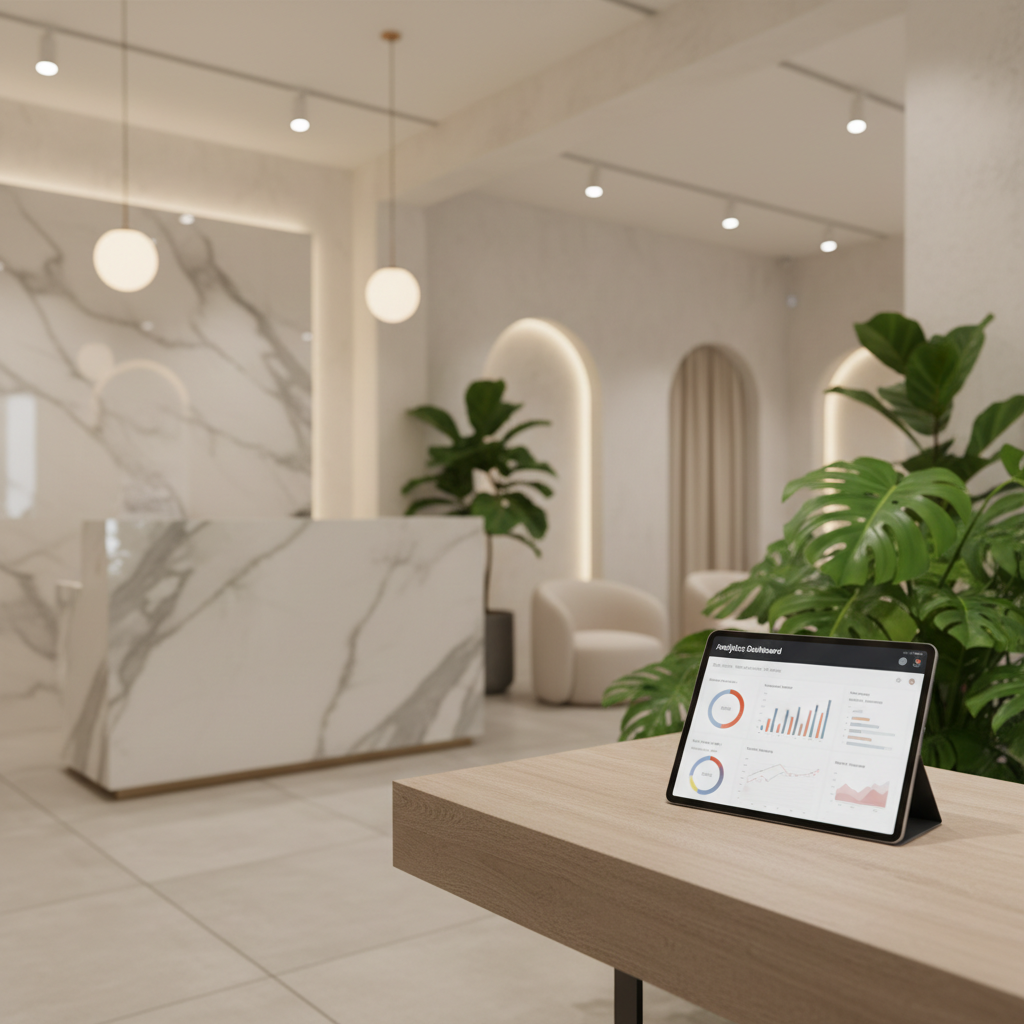
To successfully navigate these trends, intuition is no longer enough. Data-driven management (KPIs) is the key. Monitoring occupancy rates, average ticket prices, and client acquisition costs allows for informed decisions. Digitalizing your point of sale is the lever that frees up time for what really matters: humans and technical expertise. By adopting adapted solutions to automate administrative tasks, you can focus on innovation and service excellence. Discover how to optimize your activity by exploring modern management tools on our homepage.
Ready to transform your business?
Discover how Madyis can help you grow your business.
Discover Madyis