Beauty Industry Trends: 2024-2025 Business Guide
Beauty Industry Trends: The Ultimate Strategic Guide
The beauty and wellness sector is undergoing a profound transformation. In 2023, the aesthetics market showed remarkable resilience with an estimated growth of 4.5%. However, consumer expectations are evolving faster than ever. For salon owners, understanding these shifts is no longer optional—it’s a vital necessity to maintain margins and retain increasingly volatile customers.
1. Ultra-Personalization and Skin-Tech
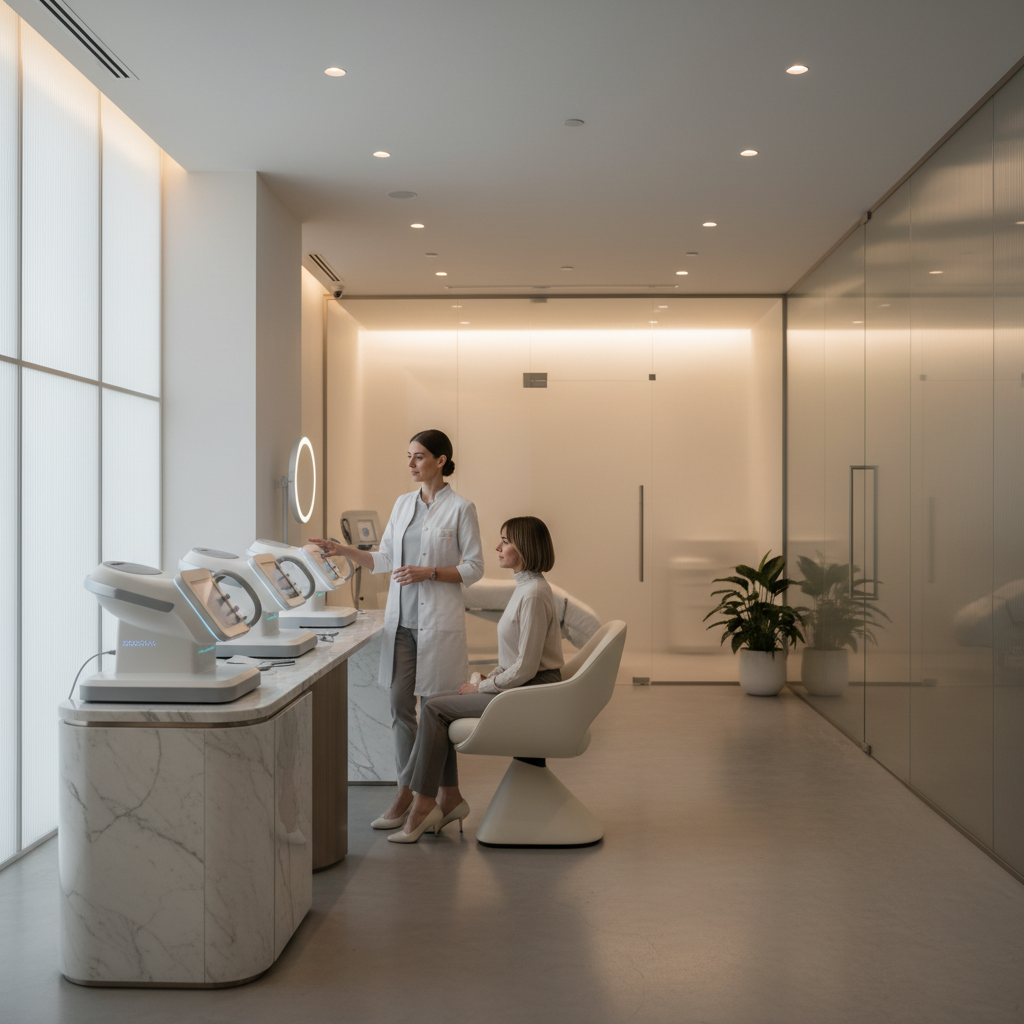
Personalization is the mantra for 2024. Clients are no longer looking for a simple facial but a specific solution for their skin microbiome. This trend is accompanied by the rise of 'Skin-Tech': AI skin analyzers, high-performance LED lamps, and microcurrents.
AI in Diagnostics
Integrating digital diagnostic tools turns a simple appointment into a scientific experience. By showing your client the evolution of their pigment spots or hydration via a screen, you strengthen your expert credibility. This also facilitates the upsell of home care products.
Tailor-made Loyalty
Offering adapted treatments rather than single sessions is a major profitability lever. By using a powerful software for beauty institutes, you can segment your database to offer the right treatment at the right time, based on each client's history.
2. The Rise of Clean Beauty and Eco-Responsibility
Ethics have become a priority purchase criterion. About 60% of cosmetic consumers now scrutinize product composition via rating apps. For a salon, this implies a review of the treatment menu and brand partnerships.
Prioritizing Short Circuits
Organic care is popular, but transparency is key. Successful salons are those that ban endocrine disruptors and superfluous packaging. Reducing the carbon footprint of your establishment (water management, bamboo towels, LED lighting) becomes a powerful marketing argument.
3. Holistic Wellness: Beyond Pure Aesthetics
The boundary between beauty and mental health is blurring. The concept of inner 'Glow-up' is taking over simple artifice. We now talk about 'Beauty-Health'.
Nutrition and Sophrology Integration
Modern salons integrate nutrition advice or food supplements into their protocols. Offering a detox drink or a short cardiac coherence session before a massage significantly increases the perceived value of the service.
4. Digitalization and Customer Journey Optimization
Digital transformation isn't just about online presence, but overall internal organization. A salon that doesn't offer online booking loses 40% of potential bookings, often made outside opening hours.
The Importance of Immediacy
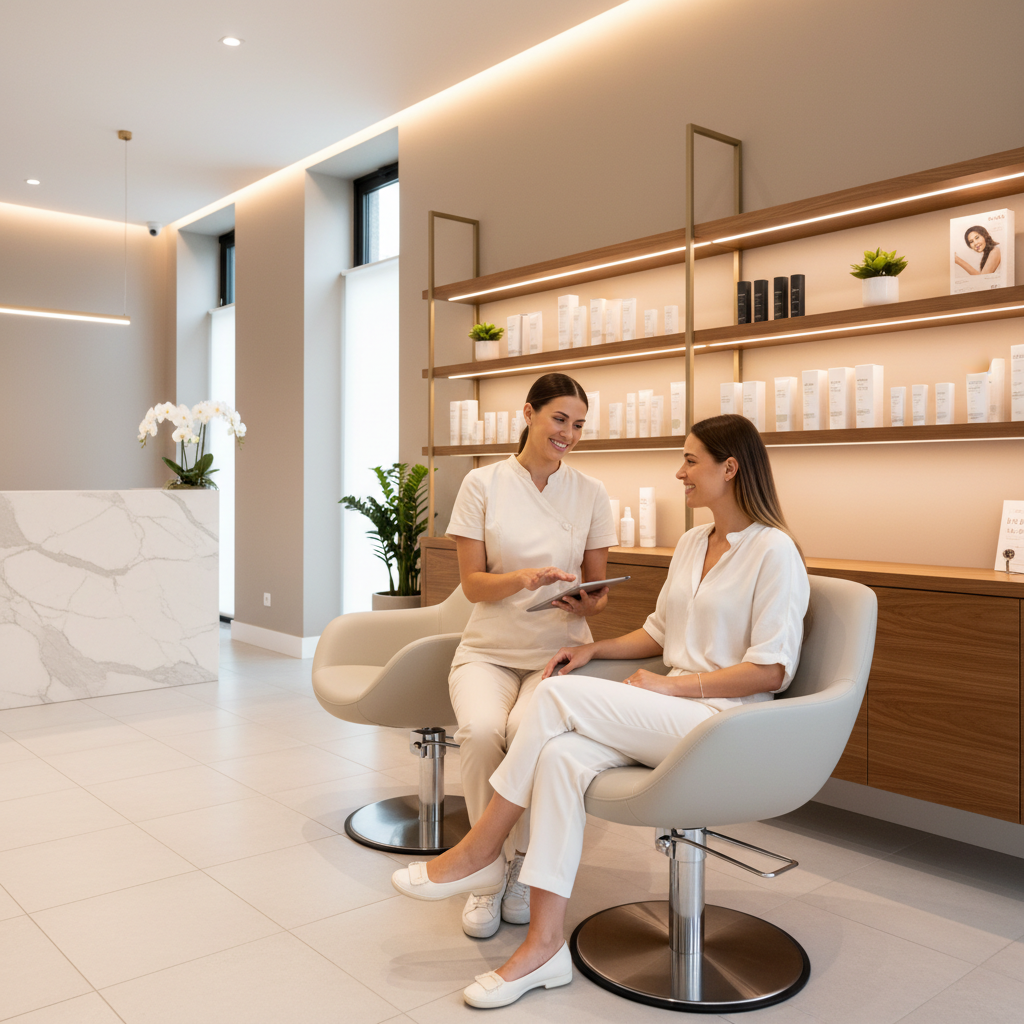
Modern clients want to book in three clicks from their smartphone. Implementing a client booking application has become the industry standard. This not only reduces phone time for your teams but also drastically decreases 'no-show' rates through automated SMS reminders.
5. Financial Analysis and Margin Optimization
With the inflation of energy and raw material costs, rigorous profitability management is crucial.
Calculating Real Profitability
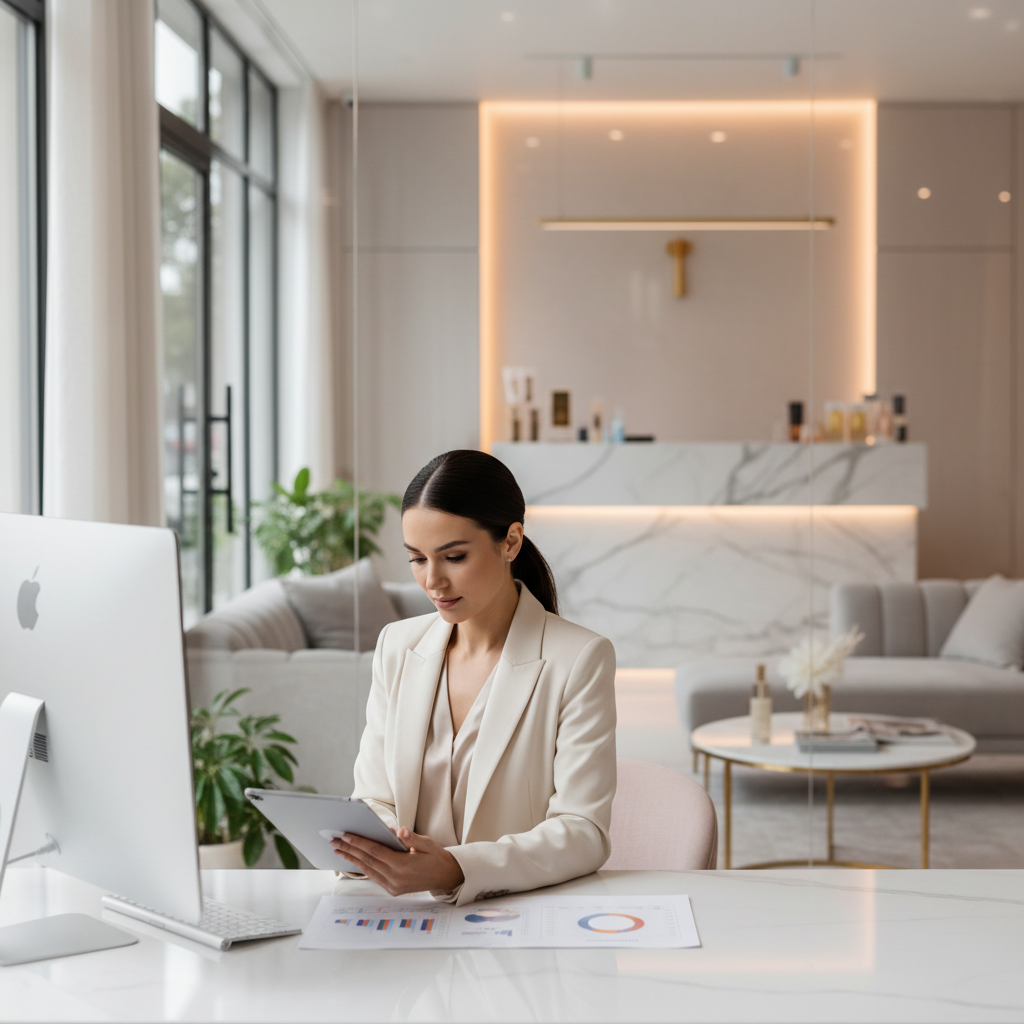
It is imperative to include in your prices: labor time, consumables, but also a share of your rent and marketing. If a treatment doesn't generate at least 60% gross margin, your business model is at risk.
Conclusion: The Future Belongs to Agile Salons
The beauty market in 2025 will be dominated by those who can combine irreplaceable human expertise with the power of technological tools. To stay competitive, it is essential to discover adapted solutions to ground-level realities.
Ready to transform your business?
Discover how Madyis can help you grow your business.
Discover Madyis