
Beauty Business Management: The Ultimate Expert Guide
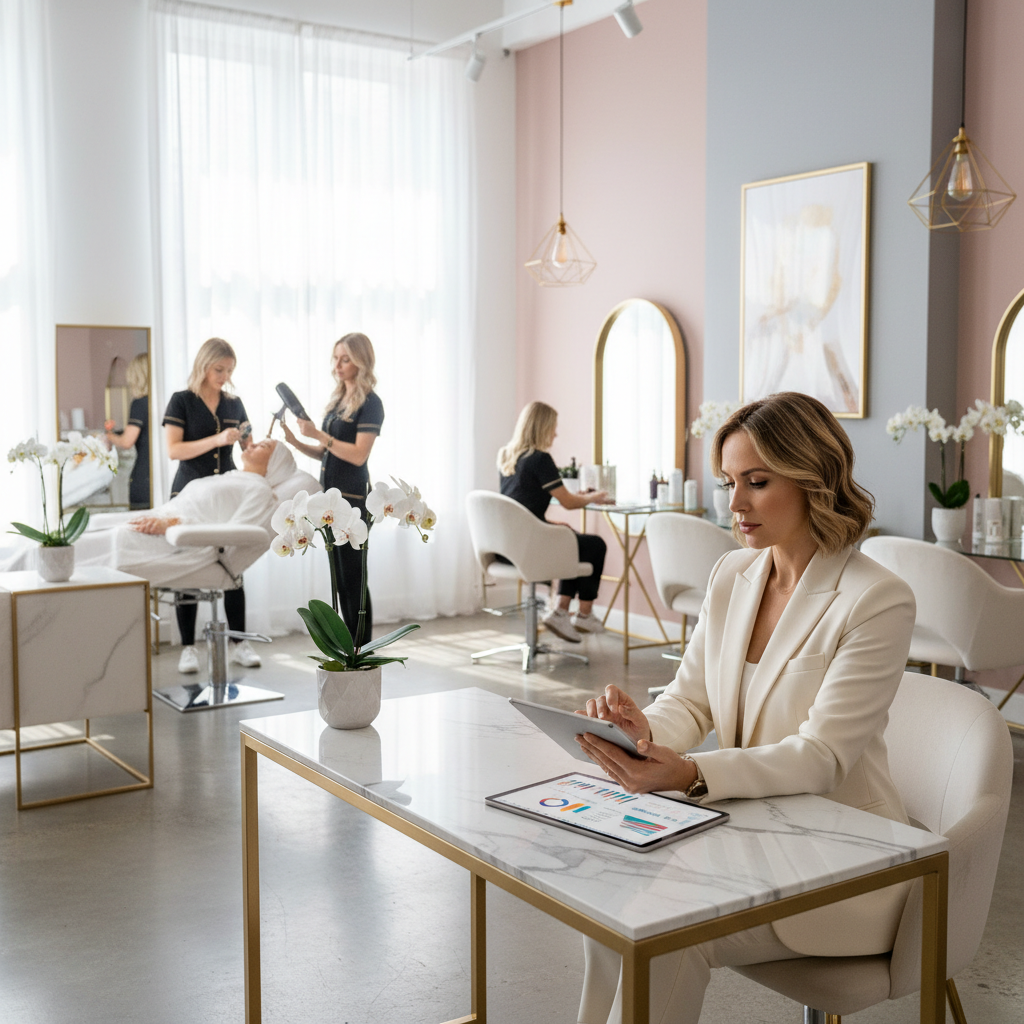
Beauty Business Management: A Strategic Guide for Professionals
The beauty and wellness industry is undergoing an unprecedented transformation. In 2023, the global market for cosmetics and professional services grew by over 6%, but this growth comes with increased complexity in day-to-day operations. Managing a hair salon, spa, or beauty institute is no longer just about technical skills; it's a full entrepreneurial challenge requiring expertise in finance, HR, and digital marketing.
According to recent industry studies, nearly 30% of new beauty businesses close within their first three years, often due to a lack of administrative structure and poor profitability tracking. In this context, business management becomes the central pillar of success. This guide explores strategic levers to transform your passion into a sustainable and highly profitable enterprise.
1. Financial Analysis and Margin Optimization
The financial health of an institute relies on a deep understanding of cost structures. Unlike other sectors, beauty combines the sale of time (services) and products (retail). To optimize your profitability, you must calculate your cost price per booth or workstation.
Understanding Break-Even Point
The break-even point is the minimum revenue needed to cover all fixed costs (rent, insurance, base salaries) and variable costs (consumables, commissions). A key indicator often overlooked is the occupancy rate: if your salon is open 40 hours a week but your staff only performs services for 20 hours, your profitability is cut by 50%.
Pricing Strategy and Perceived Value
Price should never be set solely based on competition. It must reflect your costs, expertise, and the value added to the client. Introducing premium packages or treatment courses helps secure long-term cash flow. Furthermore, rigorous inventory management of cabin products can reduce losses by 5 to 10% annually.
2. Management and Human Capital Development
In a sector where human interaction is at the heart of the service, staff management is the most powerful growth lever. Turnover in the beauty industry is historically high, sometimes reaching 25% in large cities. Retaining your talent is therefore an economic as well as a human priority.
Recruitment and Onboarding
A good manager recruits for attitude as much as for skill. Implement a structured onboarding process so every new hire understands your establishment's quality standards. A well-trained and valued employee generates an average of 20% more revenue through upsells.
Motivation and Incentive Systems
Compensation systems should be incentive-based. Bonuses based on objectives (service revenue, product sales, client retention) align employee interests with the company's. Organize monthly individual meetings to analyze performance and identify continuous training needs.
3. Customer Experience and Strategic Loyalty
Acquiring a new customer costs 5 to 7 times more than retaining one. In beauty business management, your client database is your most valuable asset. Smart use of this data allows for personalized offers and increased visit frequency.
The 360 Customer Journey
The experience begins long before the appointment. The smoothness of contact, pricing clarity, and quality of welcome are paramount. After the service, follow-up (thank you emails, post-treatment advice) strengthens the emotional bond. Using a modern client booking application simplifies this journey and significantly reduces the no-show rate.
Innovative Loyalty Programs
Forget the simple paper stamp card. Opt for loyalty programs based on points systems or digital referrals. By rewarding not just purchases but also engagement (Google reviews, recommendations), you turn your customers into active brand ambassadors.
4. Digital Marketing and Local Visibility
In the digital age, if you aren't visible on Google and social media, you don't exist for a large part of your target audience. E-reputation management has become an essential weekly task for every institute manager.
Local SEO Optimization
Your Google Business Profile is your virtual storefront. It must be rich in high-quality photos, contain up-to-date information, and above all, feature regular positive client reviews. Responding to reviews, even negative ones, demonstrates your professionalism and customer service focus.
Social Media and Storytelling
Instagram and TikTok are the platforms of choice for beauty. Don't just post prices. Show behind-the-scenes, before-and-after results (with client consent), and share your expertise through beauty tips. Storytelling humanizes your business and creates an engaged community around your know-how.
5. Digitalization of Administrative Processes
Time spent on administrative management is time not spent on business development. Digitalization is no longer an option; it's a necessity to stay competitive. An integrated management system centralizes scheduling, inventory, accounting, and marketing.
Automation and Time Savings
Automating appointment reminders via SMS can reduce forgotten appointments by 70%. Similarly, automatically syncing sales with your accounting software eliminates entry errors and facilitates your accountant's work at year-end. Automated performance reports give you a clear, real-time view of your business health.
Data Security and GDPR
As a manager, you handle personal and sometimes sensitive data. Ensure your digital tools comply with GDPR standards. Protecting your clients' data is an additional guarantee of trust that enhances your brand image.
6. Beauty Sector Trends and Future
To ensure the longevity of your establishment, you must anticipate market changes. The trend is toward extreme personalization and eco-responsibility. Clients are increasingly attentive to product ingredients and the ethics of the companies they frequent.
Green Transition as a Growth Lever
Adopting sustainable practices (reducing water consumption, waste sorting, organic products) isn't just good for the planet; it's a powerful marketing argument. Many establishments successfully attract new clients by displaying eco-friendly labels.
AI in Service of Beauty
AI is starting to appear in skin diagnostics or hairstyle simulations. Staying tuned to these technologies allows you to offer an innovative experience that stands out from traditional competition.
Conclusion: Towards Optimized Management
Succeeding in the beauty sector today requires extreme versatility. By combining technical excellence with administrative rigor, you lay the foundation for solid growth. The key lies in your ability to delegate time-consuming tasks to powerful tools so you can focus on what truly matters: people and strategy.
To take a further step in your professionalization, it is essential to discover tailored solutions that will simplify your daily life and boost your profitability.
Ready to transform your business?
Discover how Madyis can help you grow your business.
Discover Madyis